There's a Big Difference Between Quality, Polarized Sunglasses and Cheaper Alternatives
By Dave Bulthuis
I have spent more than 25 years in the sunglass industry and during that time I have worked with frame, lens and sunglass technology. Center Console Angler has given me the opportunity to write a short series of articles, dispelling myths and misinformation about sunglasses, how they work, why the good ones cost so much, and how a great pair of polarized sunglasses can improve your day on the water. The argument over how much good sunglasses cost is an old one. I have heard many good fishermen claim that the inexpensive rack glasses or the bargain $49 a pair glasses are just as good-they’re not. There are real differences between a $50 pair of sunglasses and a $250 pair.
Inexpensive sunglasses do not offer the same UV protection or polarization. Inexpensive sunglass lenses contain degrees of optical distortion which affect your view and can cause eye strain. The low-cost options scratch easier and often do not offer UV400 protection which means your eyes are being hit with damaging UV radiation. Premium sunglasses offer distortion-free optical quality lenses; the same product featured in prescription glasses. There is a difference and your eyes can feel it.
Much misinformation exists along with poorly formed opinions about sunglasses. Sunglasses for fishing are not just good to have; they are a must-have. Sunglasses have important attributes that make them a critical part of an angler’s gear. Good sunglasses for fishing offer polarization, which makes spotting fish or objects in the water easier, and the best sunglasses also offer real UV protection to protect your eyes from the sun’s harmful rays. Polarization is a filter system built into the lens that removes harmful glare, from the sun or reflected off the water, from the wearer’s field of view. Good polarization reduces eye fatigue and enhances the viewing experience. Premium polarized sunglasses offer 99+ percent polarization.
UV protection shields the eye from harmful UV rays. Premium sunglass brands offer complete protection against UV-A, B and C rays. Important protection for your eyes. Long term exposure to UV rays leads to serious eye diseases and diminished vision as we age. In more expensive sunglasses the UV protection is built into the lens for lasting protection. Inexpensive sunglasses often apply the UV protection as an external coating, which degrades over time and results in a loss of critical UV protection. Better sunglasses also offer higher quality frames, which fit better, are more durable and can offer better protection and comfort to the wearer. Quality hinges improve the durability of the frame and make the sunglasses fit better and stay in place when worn. Constantly pushing your sunglasses back on your face gets old quickly when on the water.
Most sunglass lenses are made from either glass or polycarbonate, and the right choice depends on what you value most. Glass delivers exceptional clarity and the strongest scratch resistance, but it is heavier and can shatter if dropped on a hard surface. Polycarbonate is light, tough, and highly impact resistant. Thanks to major improvements in polycarbonate optics and coatings, today’s better polycarbonate lenses come remarkably close to glass in clarity while offering greater durability for active use. Modern hard coatings have greatly improved the scratch resistance and durability of quality polycarbonate lenses. Sunglass lenses are usually either a six-base or eight-base curve. The eight-base lens is a more curved or wrapped lens which offers more protection against light entering the field of view from the side of the lens.
Inside Sunglass Technology
A quality sunglass starts with better materials. A durable frame and stainless-steel spring hinges help the glasses sit comfortably, hold their shape, and stand up to years of use on and off the water. The biggest difference, however, is often in the lenses. Premium sunglasses use optical quality, distortion-free lenses designed to resist scratches while delivering strong polarization and dependable UV protection. The best lenses are multi-coated. They do more than look good, they protect your vision, sharpen performance, and help the lenses last longer. Quality multi-coated lenses have coatings that reduce scratching, smearing and are easier to clean. The quality sunglass lens offers efficient, durable polarization at a rate that exceeds 99 percent. Most sport-style sunglasses offer either a six-base or eight-base curve to the lens surface
A common myth says that polarization creates difficulty reading marine electronics screens. For today’s electronics, the old black-screen concern is far less of an issue. Higher resolution and tighter pixel density have largely solved the problem with modern marine electronic displays. Lens color plays a bigger role than many anglers realize. Grey, copper, and rose are among the most common base colors, while popular mirror finishes—blue, green, and silver—are coatings applied over those underlying lens tints.
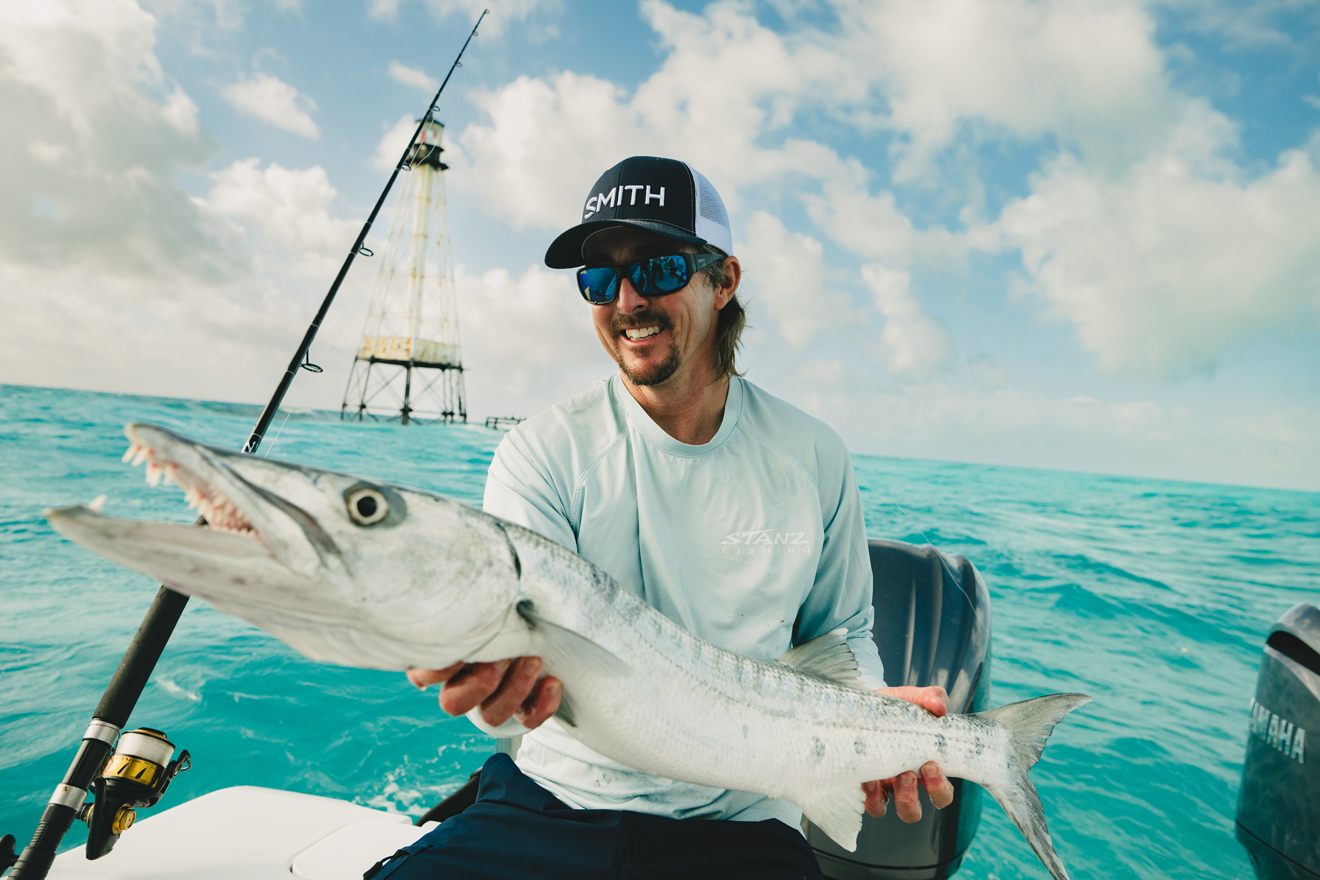
Grey polarized lenses remain the top seller for good reason. They are a dependable, all-around choice for daily wear, fishing, and driving, usually allowing about 12–13 percent visible light transmission (VLT). Because grey lenses keep colors neutral, they are especially useful offshore or in deep water, where reading the water and seeing farther below the surface can make a real difference. When kite fishing for sailfish, for example, a lens that cuts glare and improves depth perception can help you pick up a fish before it ever breaks the surface. A blue mirrored sunglass lens is usually the darkest lens available for purchase.
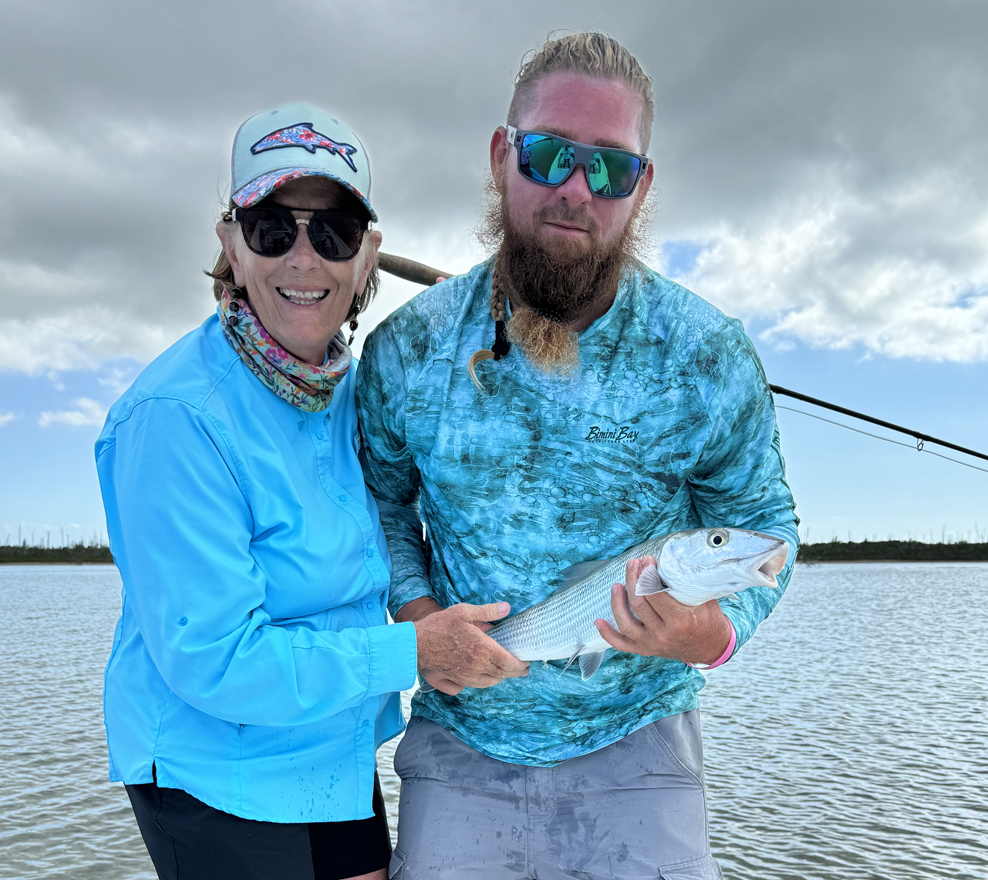
Copper and amber lenses are close behind in popularity. They tend to be slightly brighter, with a VLT around 13–14 percent, and they appeal to anglers who want a warmer, higher-contrast view. Inshore and sight fishermen often favor copper and rose because these colors help separate dark objects like a fish from a lighter colored bottom. The rose and copper lenses are popular with anglers who feel the grey lenses are too dark and find copper or rose lenses easier to look through and more soothing. These lenses heighten the contrast between a darker object and a lighter colored background. As an example, when sight fishing on a saltwater flat for bonefish or permit, the fish casts a dark shadow against the sandy bottom. A high contrast lens (copper, rose, amber etc.) makes spotting that fish easier to see as all the contrasts are heightened and more visible.
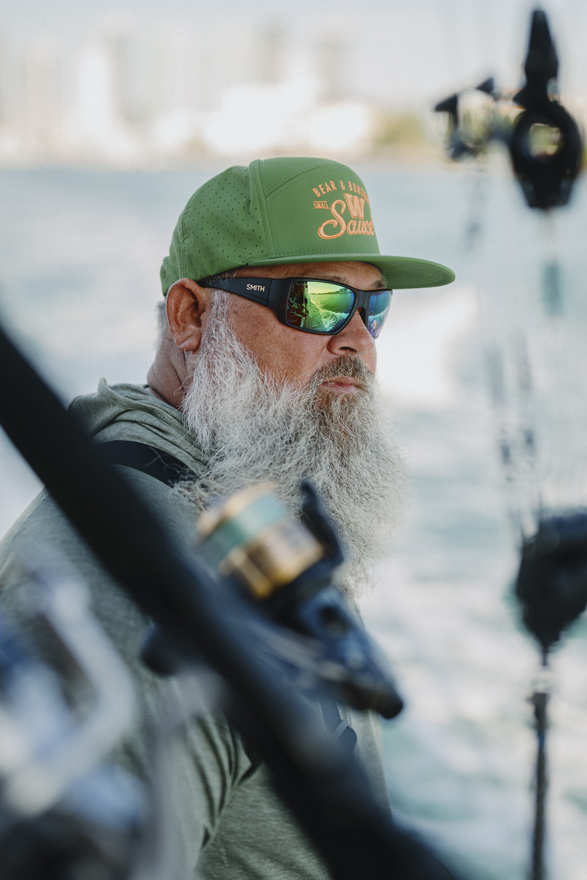
Mirror lenses have become a favorite for both performance and style. Blue, green, and silver are the most common mirror colors among major sunglass brands, and each mirror is applied as an additional coating over the lens blank. A grey lens with a blue mirror performs much like a standard grey lens, but with a slightly darker view that can feel more comfortable under bright overhead sun and harsh glare off the water. Blue mirror lenses typically fall in the 10–12 percent VLT range, making them a natural fit for offshore fishing and everyday wear. Green mirror lenses are most often built on rose or copper lens blanks. That combination preserves the color-enhancing benefits of those base tints while lowering visible light transmission to 11–13 percent. In simple terms, a mirror keeps the character of the lens underneath while darkening the view for added comfort in bright conditions.
In summary, sunglasses are available at many price points from $10-$300 and up. There are real differences between the performance of different sunglasses as well as the protection they afford your eyes. Investing in a good fitting, high-quality pair of polarized sunglasses can enhance your on-the-water experience and offer the necessary UV protection that your eyes deserve.
About the author: Dave Bulthuis has spent more than 50 years on the water, fishing and boating. He is an avid angler who spent his career in the fishing tackle, marine and sunglass industries. Dave has more than 25 years of experience in sales, management and marketing in the sunglass industry. He understands the importance of quality eyewear in improving and enhancing time on the water.