Thorough Planning and Having the Right Tools Will Lead to a Better Experience.
By Karl Anderson
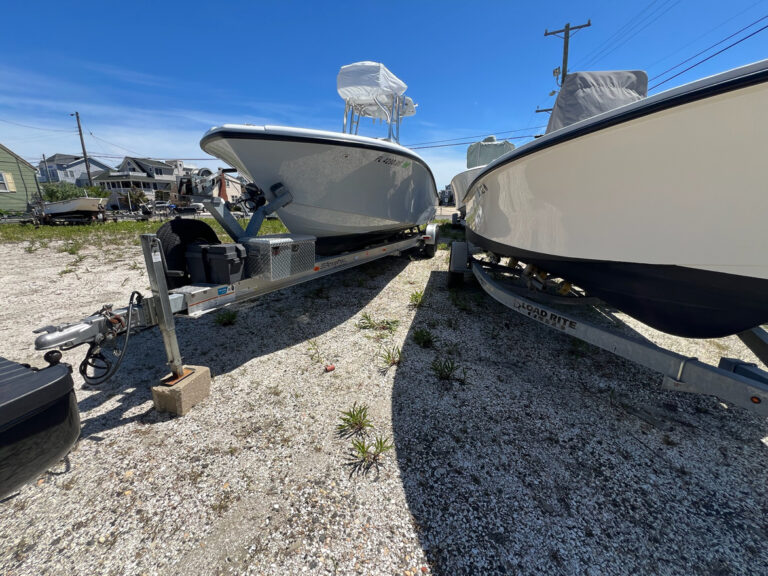
In 1970, my father loaded up our brand new 20-foot SeaCraft on a dual axle Holsclaw trailer and we took off from Beach Haven, New Jersey. Our Ford station wagon was bound for the Florida Keys to enjoy spring break. The tools for safe and easier trailering then were few and far between. It was quite a trip loaded with our fishing gear, coolers and everything involved with a family vacation.
Unlike in 1970, trailering today is so commonplace that you often see a constant string of trailers and boats coming out the Keys on any given Sunday or Monday, as folks head home. Even in the Mid-Atlantic and New England, anglers and boaters are moving around to fish different places or just go from the house to the ramp. In California, friends have been trailering to the Baja Peninsula of Mexico in some super remote places to chase their quarry with no paved or maintained roads.
The quality of trailers today helps a great deal in fitting the boat to the trailer properly and having the weight distribution correct. Of course, there is a vast difference in single-, dual- and triple-axle characteristics based on the size of your tow. We also have a great deal of choice in tow vehicles that can handle the loads we are towing. I have been trailering all kinds of boats, utility and horse trailers for more than 40 years and I’ve had the typical issues that affect most long-range tows: flat tires, bearing failures, light fails, and I even had a steel trailer collapse one time picking up a boat for a friend. Long-haul tows to Venice, Louisiana and all up and down the east coast have given me a world of experience, some good, some not so good!
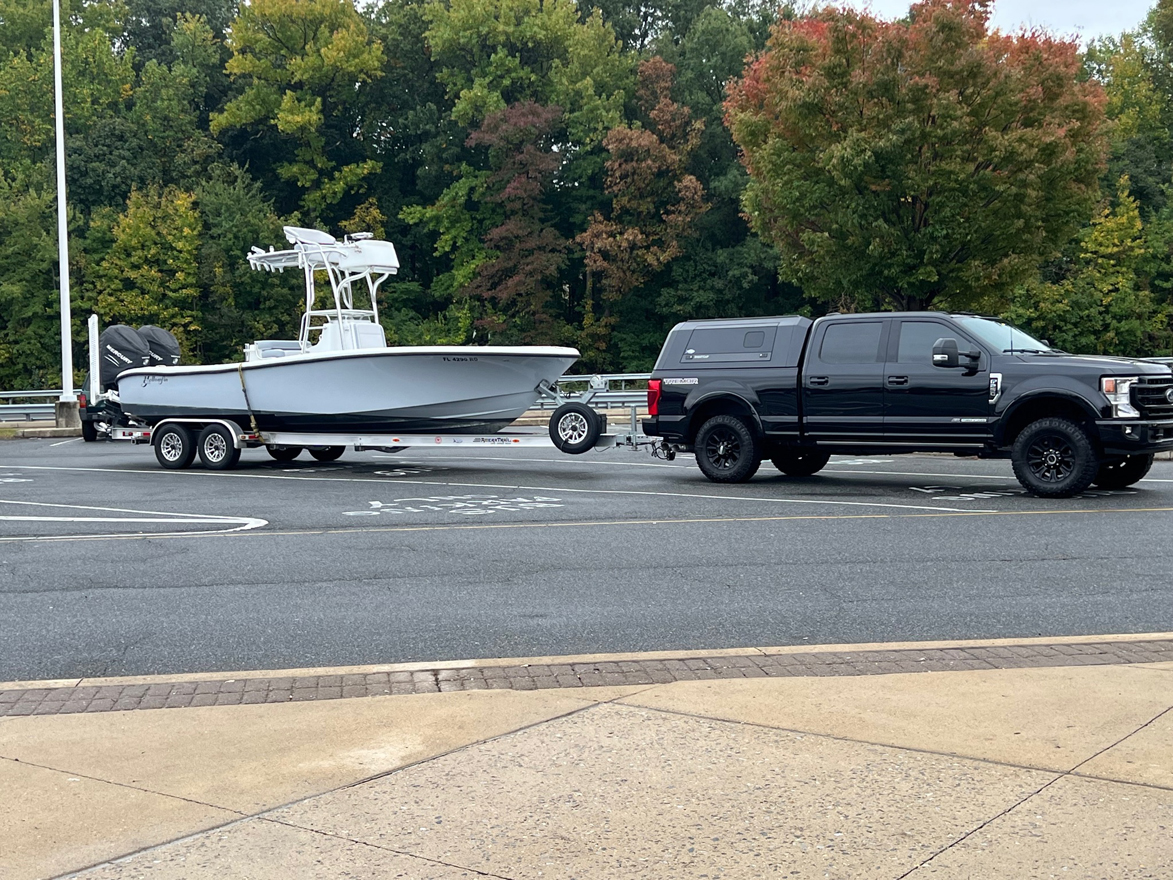
For the past several years we have made the trip from our home in Florida to New Jersey towing our 26-foot Yellowfin Hybrid with our Ford F250. We have an AmeraTrail trailer that is specifically made to fit the boat, so the bunks are a perfect fit keeping the boat nestled on the trailer with a low center of gravity and tight to the holding points. Having that seamless fit with proper tongue weight is a great comfort. Knowing how to secure the boat properly and keep it held down makes for a safer tow. There are many different boat trailers. If you did not buy a boat, motor, trailer package where the trailer is made for the boat, here are a few things to consider before you purchase a trailer.
Bunk vs Roller Trailers
Roller trailers were all that was available back in 1970. Most ramps were not made to back the trailer into the water, so the boat had to be winched onto the trailer. With a bit of engine help it was easier. There are still some roller trailers being made, however. If you follow the Qualified Captain on Instagram, you will see a great many more incidents involving roller trailers than bunks. Like when you must brake hard from being cut off and the boat rolls up over the trailer winch and into the bed of the tow vehicle. Crazy, I know, but it happens more often that you might think.
Bunk trailers became widely used by the 1980’s and lightweight, durable aluminum trailers became the norm. Ramps became better designed and more accessible. Bunk trailers are easily loaded and required much less maintenance without all the rollers needing grease and the need to replace rubber or polyurethane parts after UV degradation or damage from the loading and launching exercise.
The size and weight of the boat determine the size of the trailer and tires as well as the number of axles you require. A single-axle trailer is more apt to “sway” as speed is increased. Adding the second axle adds stability. Naturally the tow vehicle weight is a big factor in towing stability as well.
Tires
Tire size effects several things including wear on the tire. Smaller tires wear quicker than a larger sized tire. The folks at OK Tire in Pompano Beach, Florida are tire experts and have helped me for all kinds of applications. I replace my trailer tires every four years if not sooner. Sun exposure, duration of weight on tires without moving, dry rot and road use all factor into the life cycle of trailer tires. They look at what I’m towing and suggest what load range tire I need. It is always recommended to use a ST radial tire versus a bias-ply. These are Special Trailer tires. Radial tires run cooler at speeds on the highway, typically have a longer tread life with greater stability, and are recommenced for long distance towing. However, a bias-ply does have its place for old trailers designed for them and for short distances and off-road trailering.
Load range ratings on tires help determine what you need for your tow. My trailer for the 26 Yellowfin is dual axle and uses a load Range E, which is typical for dual-axle trailers. It requires 80 pounds of air pressure. Load range F offers more carrying capacity for heavier boats on dual axles. The 34-foot Yellowfin I also trailer frequently requires the same tire, but with triple axles. The 39 I have towed requires a load range G, which requires 110 pounds of air pressure, also on a triple axle.
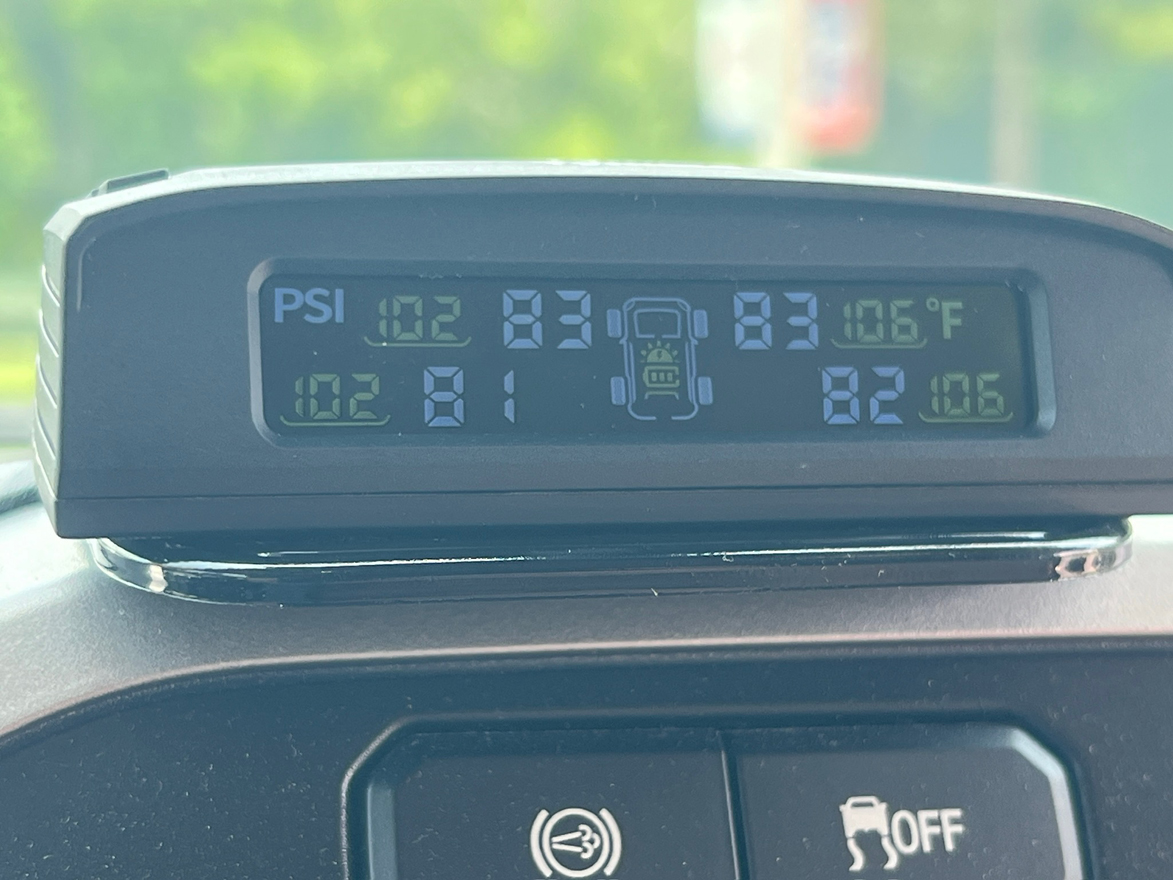
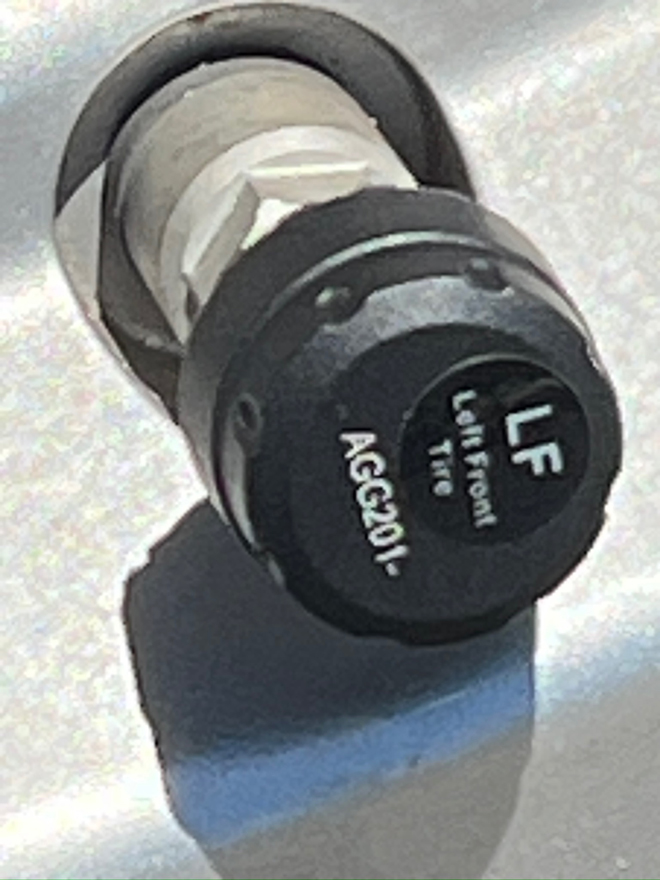
Always carry a spare tire, usually attached to the trailer. In my case I have a mount with an entire hub assembly, wheel and tire. Always be sure the spare is aired up as well because you never know when you will need it. Be sure all tires are inflated to the specified pressure marked on the side of the tire. An under-filled tire will wear fast, and an overfilled tire will blow out, especially on the road under speed and heat. I started using a Tymate TPMS tire monitoring system that I really like. It has wireless air pressure sending units that you screw onto the tire stems. They send pressure data to the interface that you place on your dash. This allows you to manage tire pressure and you can be sure everything is within range. Tires gain air when trailering as they build up heat so being able to monitor that is just another thing to make a good safe tow.
Good Tools
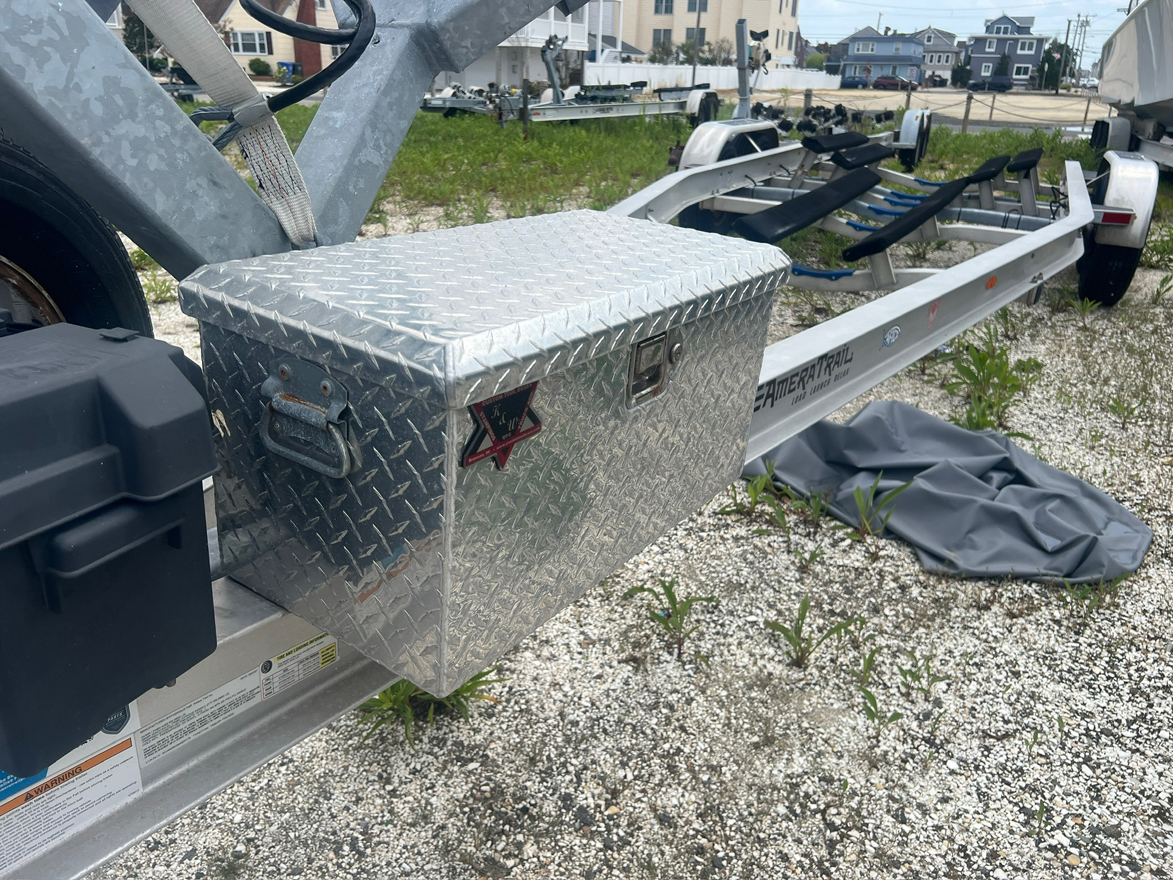
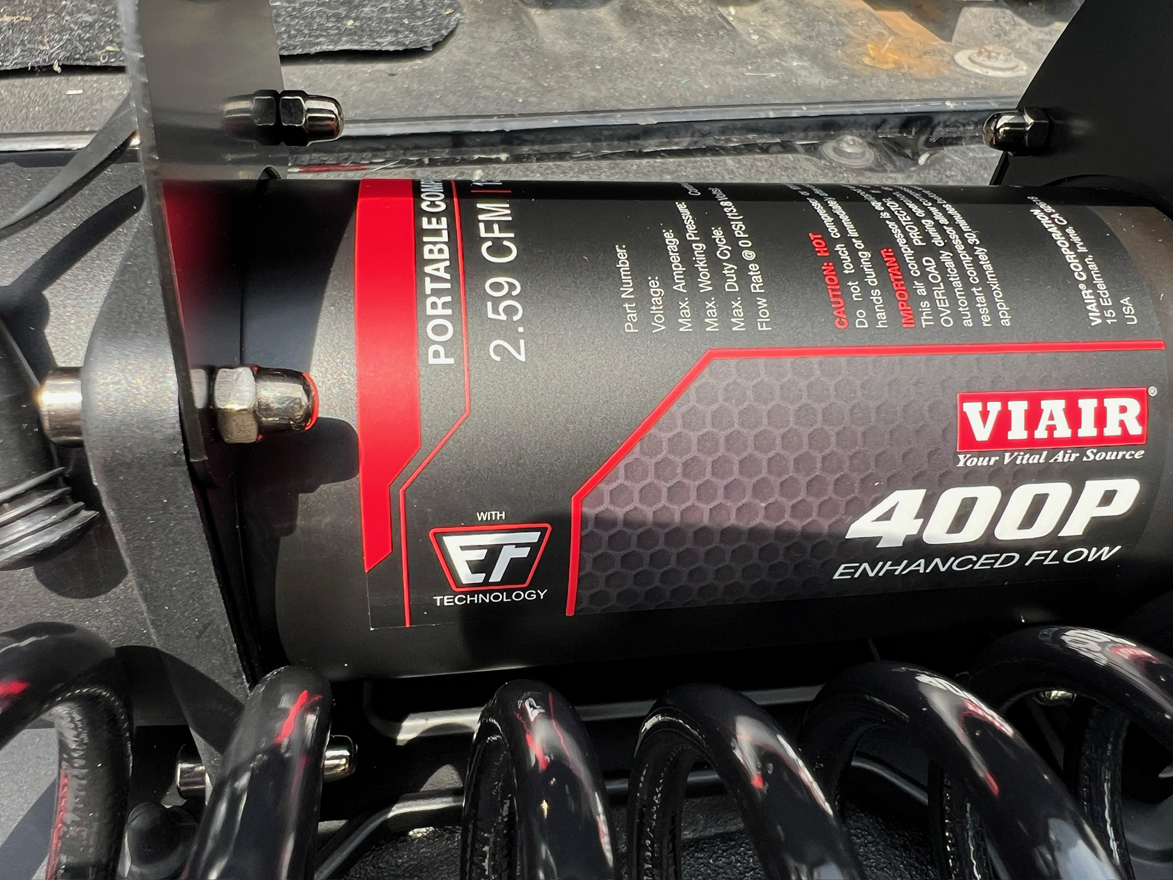
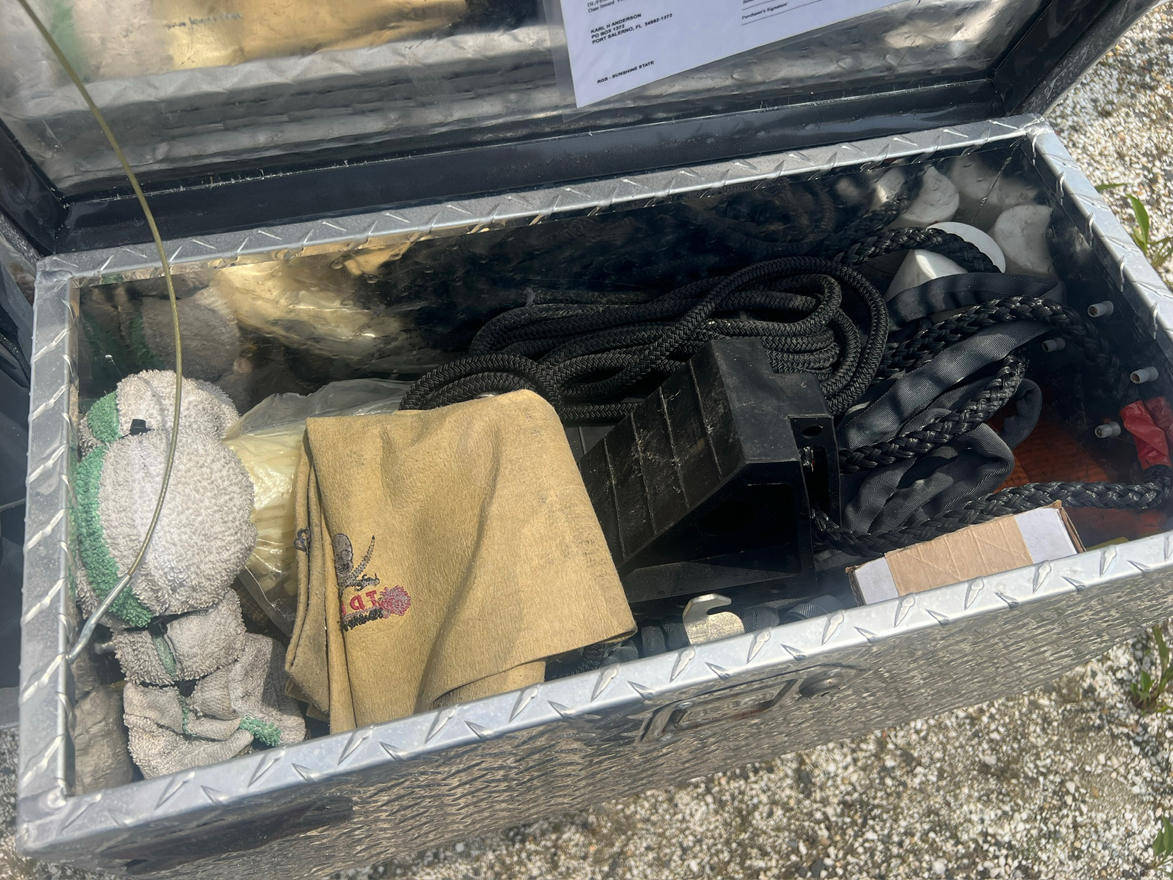
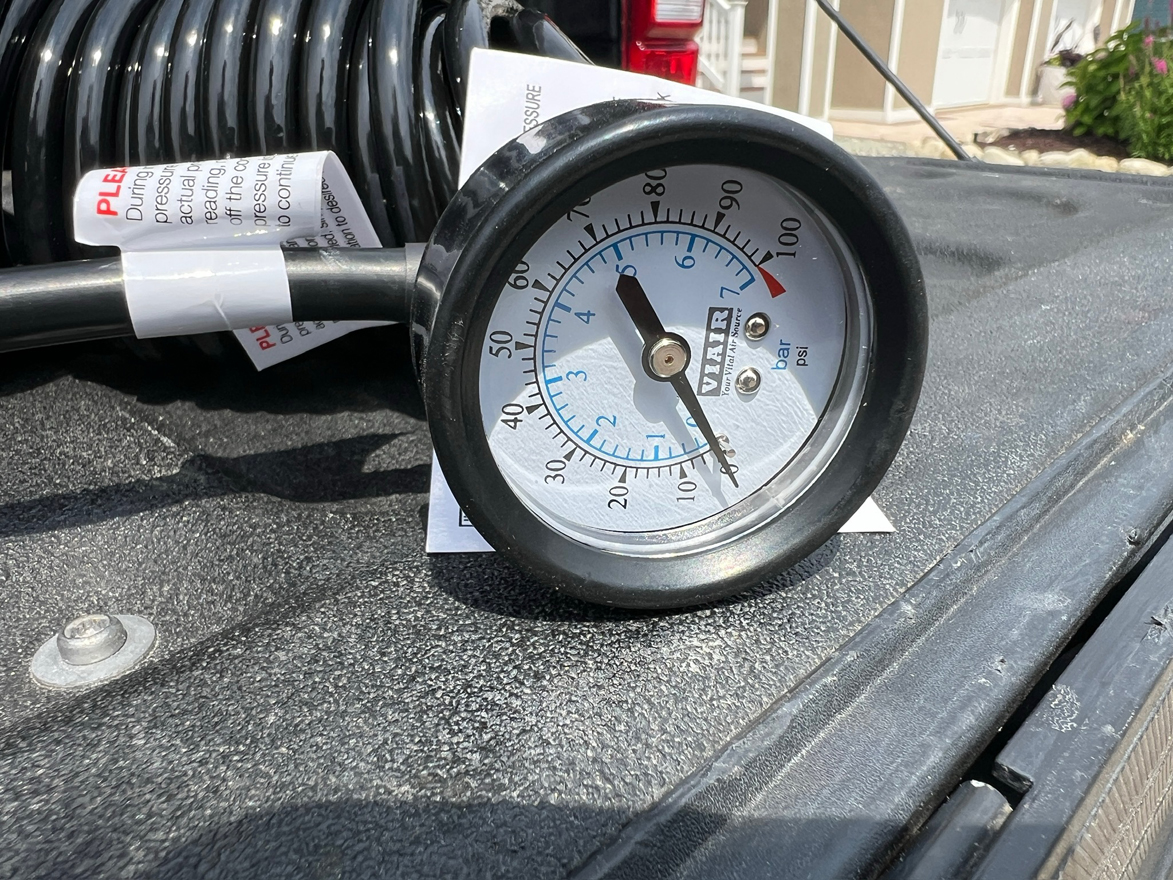
Key things help you maintain your trailer be prepared for a long tow. It’s handy to have a tool box added to your trailer. I carry my tie down straps, tire chocks, hose and nozzle, WD-40, T9 spray, digital tire gauge, grease gun with appropriate grease for the bearing type, trailer registration and ropes in mine. I also carry some things in the truck. I keep a three-ton floor jack tied at the back of the truck bed so it is easy and quick to do a tire change. I have a box with a tool kit, a 20-volt battery impact driver with a socket for my lug nuts and a VIAIR 400 EF portable compressor. It is a great unit with fast fill and can meet the air pressure capacity without straining. I also like that it has a 25-foot expandable coil hose that stores easily. It has a six-foot power cord that connects to a round seven-way access plug adaptor that connects to the trailer hitch power connection at the back of the truck. These tools make dealing with what could be a complete downer into a doable fix with as minimal hassle as possible.
After hauling, I do a thorough rinse of the entire trailer with Starbrite Salt Remover Concentrate focusing on the brakes, hubs, wheels and axles. Even though you have an aluminum trailer, the axles, brakes, and other components are steel and any salt remaining on those parts will accelerate rust and degradation. A thorough rinse as soon as you can after pulling the trailer out of the water is the best way to remove the salt and help preserve your critical trailer parts. That’s why I carry the hose and nozzle so I can rinse at the ramp. I then spray WD-40 liberally on the brakes, wheels and surrounding parts especially underneath to drive as much water out and help reduce rust. Once dry, I spray the T9 as it leaves a barrier coat on everything and it helps keep the steel parts from deterioration, as much as possible anyway. The most important thing is removing the salt water and not letting it sit and corrode. As the saying goes, rust never sleeps and it will eat away at your trailer parts ultimately resulting costly repairs and replacements most likely while you are on a trip.
Towing
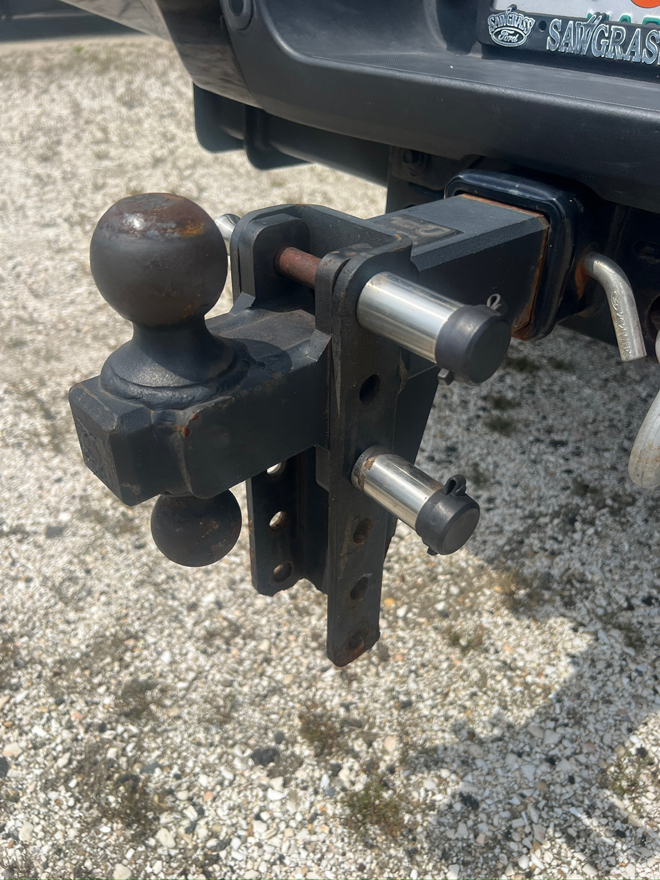
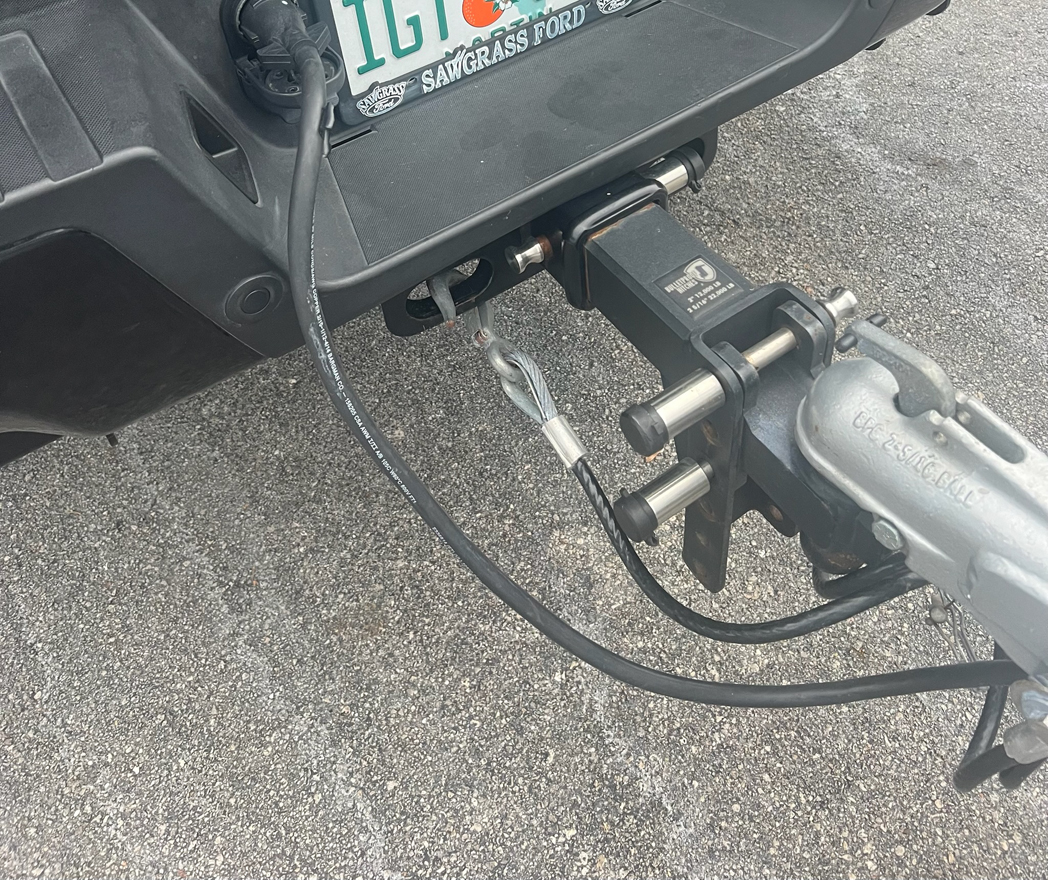
Having a quality, robust hitch is a must. Bumper hitches, a ball mounted directly on the bumper of your vehicle, are not ideal and do not have the support of a frame-mounted receiver. I use a Bulletproof Hitch with their pin locks to secure it. I have a 2-inch and a 2-5/16-inch ball so I can tow multiple size trailers. Sometimes the manufacturer’s receiver has small areas to connect the safety chains so I add large shackles to hold the hooks from the safety chains. Things need to be robust for the most safety on long haul tows and knowing you have a solid, heavy-duty hitch and connections helps reduce the potential for disaster.
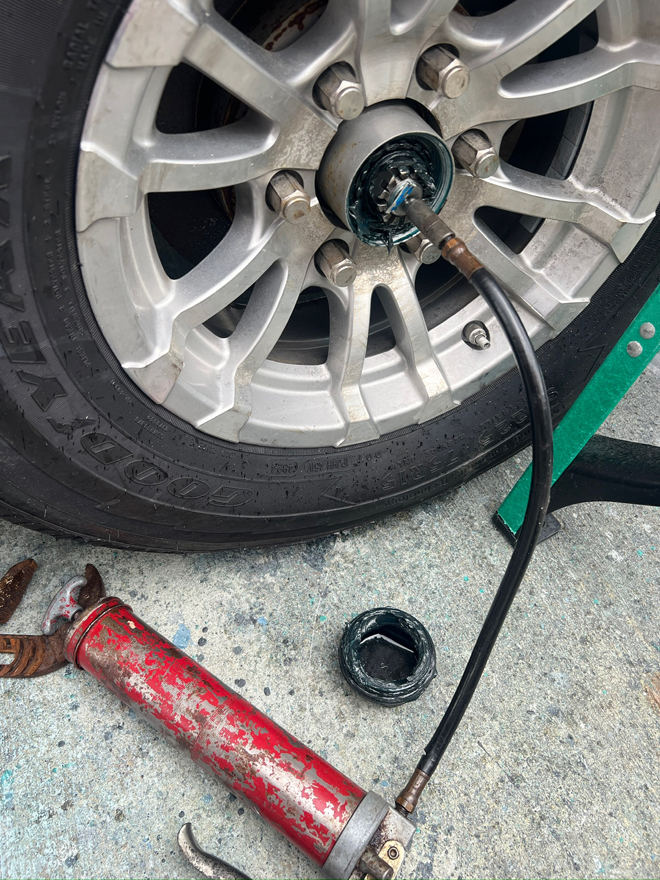
Aside from tires, being sure your lights are working properly and bearings are greased and healthy is critical. In my case, the hubs have a grease zerk fitting to accept a grease gun. Be sure to follow the manufacturer recommendations and be careful not to over-grease as it could blow out the rear seal of the bearing. Most trailer bearings today allow the filling of new grease and in turn, push the old grease out. Frequent launching and loading, especially in salt water, requires more frequent attention to the bearings. On long hauls during fuel stops, I always do a walk around and check the tie downs and feel the bearings for overheating. That is the first indication you need to either add grease or address the bearing with replacement before it fails. If it fails, you can completely lose the wheel so be mindful of what’s going on.
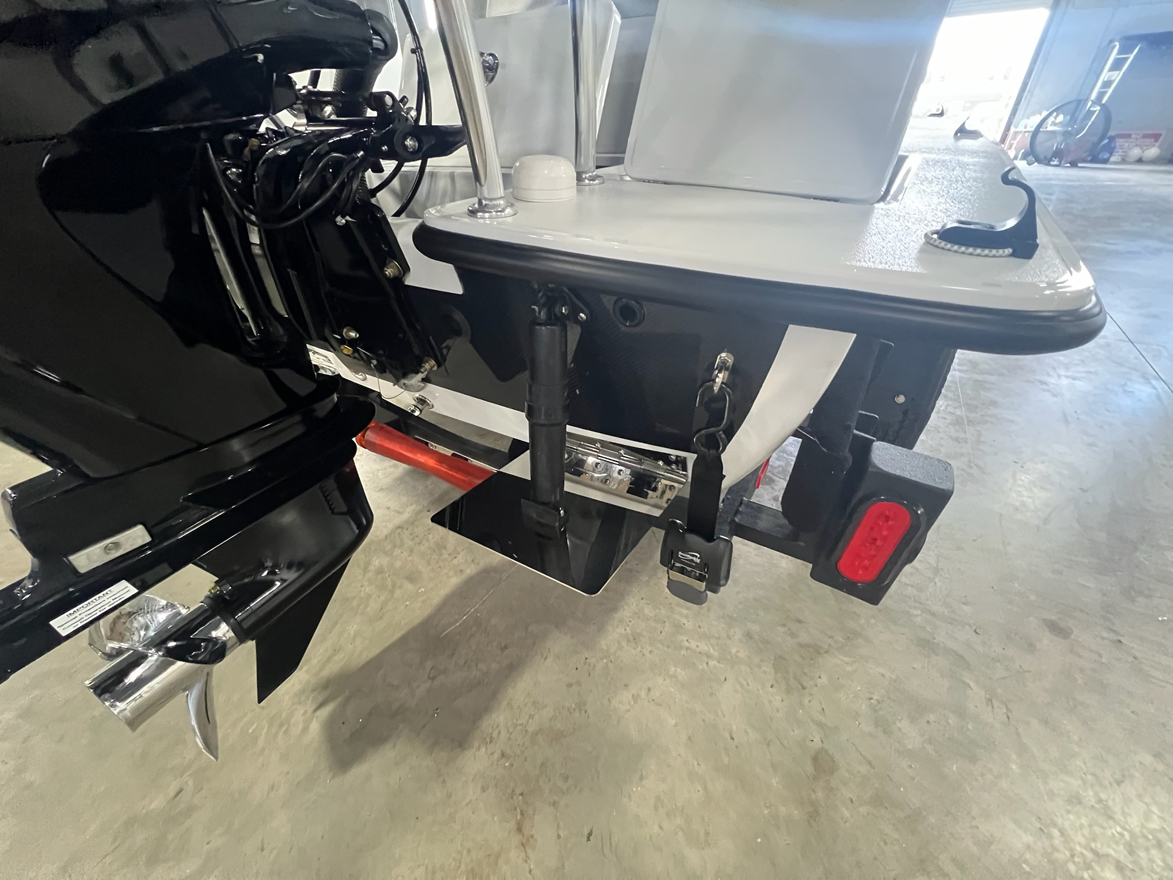
Tying down the boat to the trailer is another key to having a safe tow. Once the boat is securely nestled on the trailer and the bow is up against the bow stops, you can secure the boat. The winch strap should be tight and safety chain should be fastened to the bow eye. If the trailer has rear tie down ratchet straps, attach them. If not, use either rope or buy ratchet straps to secure the stern to the trailer. This is required by law, and certainly in Florida, I have been checked. I also run rope or strap from the bow eye back and down to the trailer aft of the bow eye so if disaster happens the boat hopefully does not slide forward, up and over the trailer. In most cases it is prudent to run a large three inch ratchet strap across the boat to secure it down on the trailer. Be sure to use some sort of chafe gear on the gunwales so the strap does not damage the surface of the boat. The goal is keep the boat on the trailer at all times without bouncing and possibly damaging the boat or trailer.
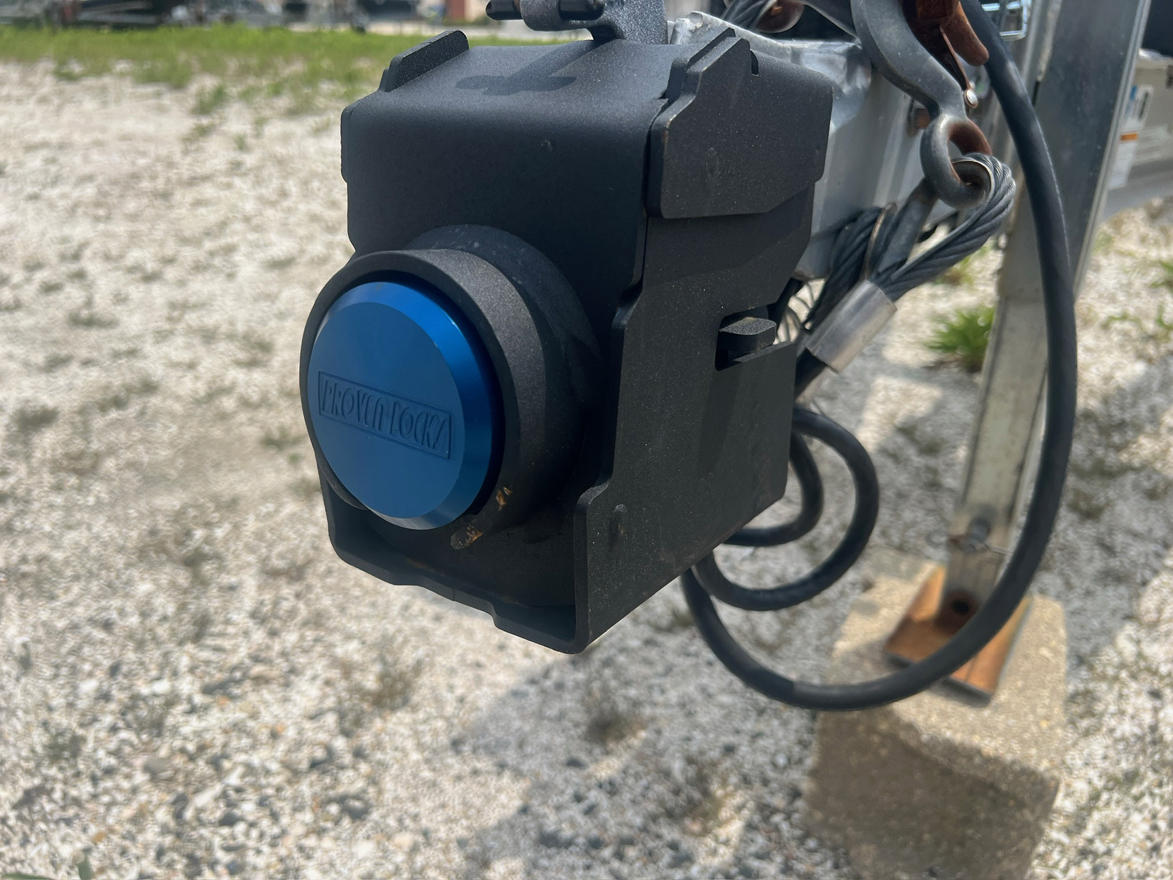
Lastly, I have a top-quality trailer lock. PROVEN trailer locks are built of ¼-inch robotic cut insert plate with a CNC tube laser cut outer shell and an aircraft grade aluminum puck lock with stainless shackle keyed lock. My trailer is an expensive asset and when not connected to my truck, it has the PROVEN lock on it. Sourcing quality products and taking the time to get set up properly will save a lot of heartburn. If you tow, at some point something is going to happen. Having the best equipment, being prepared and taking the time to assure your gear is in top working order is the only way to have a hassle fee tow. Be sure tire pressures are all good, brakes are working, lights all work and remember to drive defensively. I promise you, only truckers and other people who tow realize you are towing and need the extra room to slow down and accelerate.
Don’t be in a hurry and get to your destination so you launch and get to the bite you drove for. Investing in quality gear is investing in safety.
Notable Contacts
Proven Locks: provenlocks.com
Tymate TPMS: tymatetpms.com
Viair: viaircorp.com