Legacy on the Water: A Mako Story Built Across Generations
By Bo Michael
In the late 1970s, summers in Islamorada weren’t documented – they were earned. For my dad, Bob Michael and our family, those years built the foundation for a lifetime on the water.
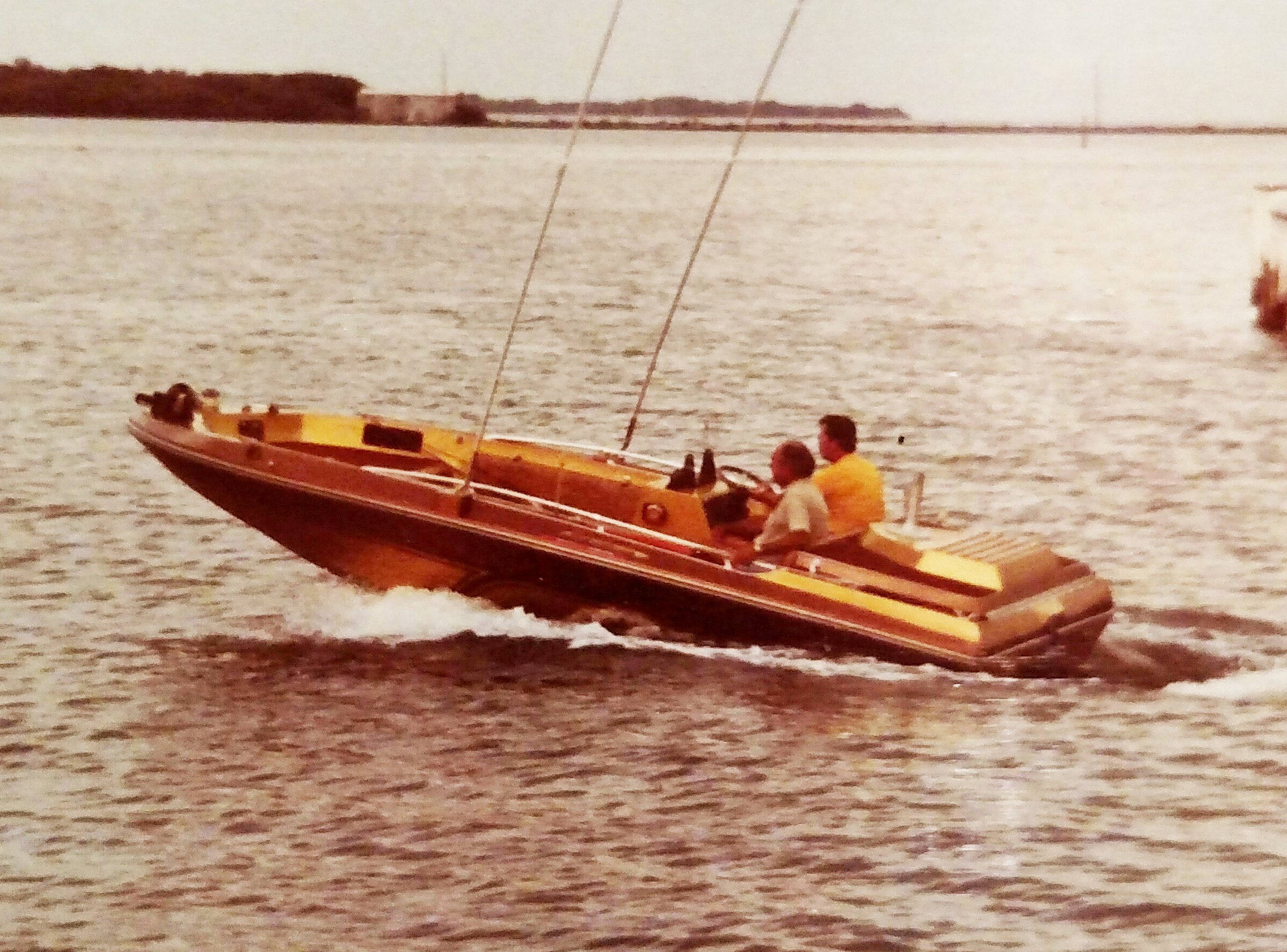
It started simply: a father, a boat, and open water. Dad was running a modified 18-foot FishMaster bass boat with a 260 MerCruiser engine and handmade outriggers built by his father (Col. F.S. Michael Jr., USAF, retired) off Islamorada in the Florida Keys when he landed his first marlin. No specialized setup – just experience, instinct, and a willingness to push beyond what the equipment was designed to do. That approach carried forward.
By the time I was 10, the family had moved into Mako boats. But we didn’t run them stock. We outfitted, rigged, and refined every system ourselves. Dad was a big guy, so I did a lot of the crawling – tight spaces, running lines, handling the details. That hands-on work became the standard. Over time, our boats became competitive at the highest levels. Two of Dad’s builds earned “Boat-of-the-Year” honors at the Mako Sailfish Masters in West Palm Beach. The family also worked with Mercury Outboards, running early prototype Verado engines during development. The process was practical and efficient. We had a carpet business and a forklift. I learned how to help my dad unload the engines, mount them on the transom, rig steering and fuel lines, and have the boat ready to go. It was a results-driven approach – focused on function, reliability, and presentation.
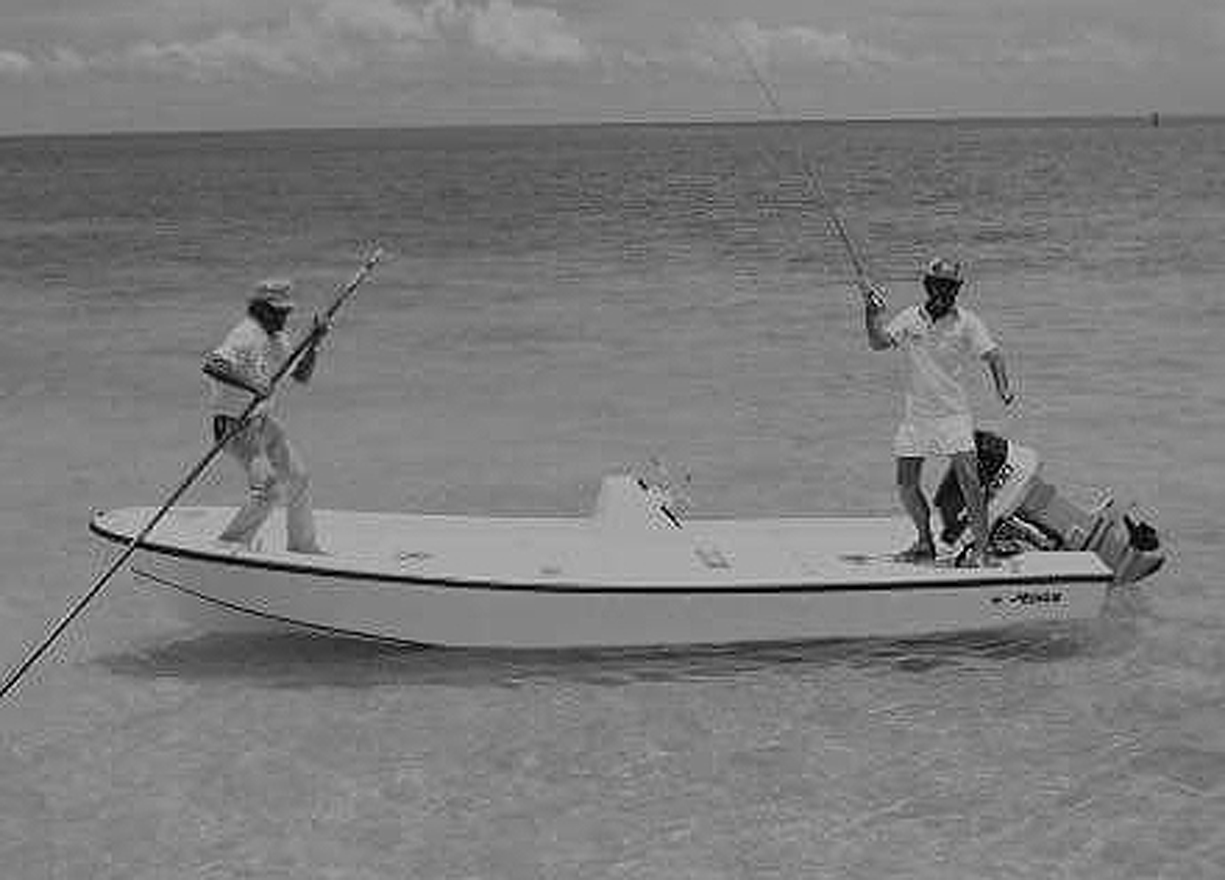
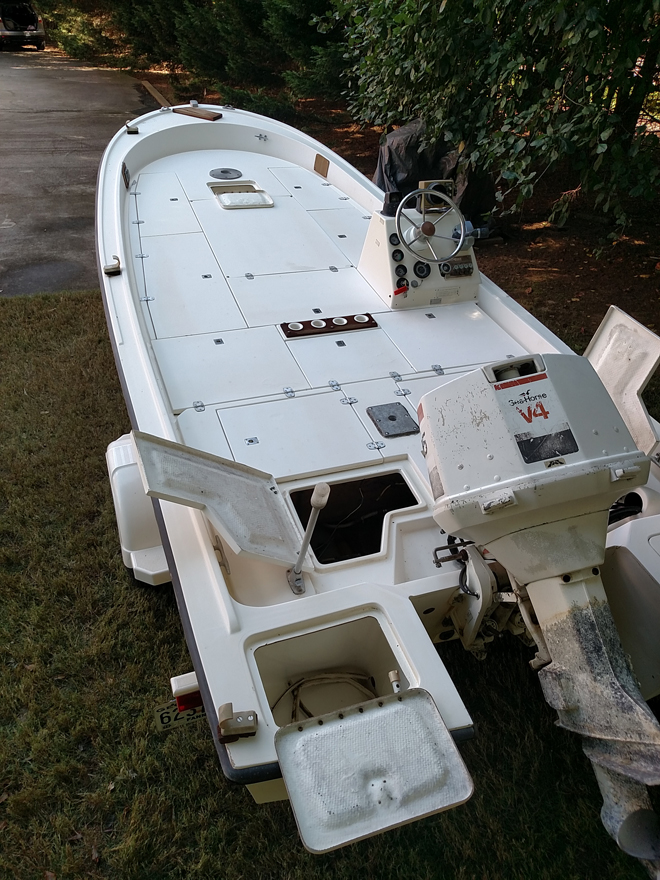
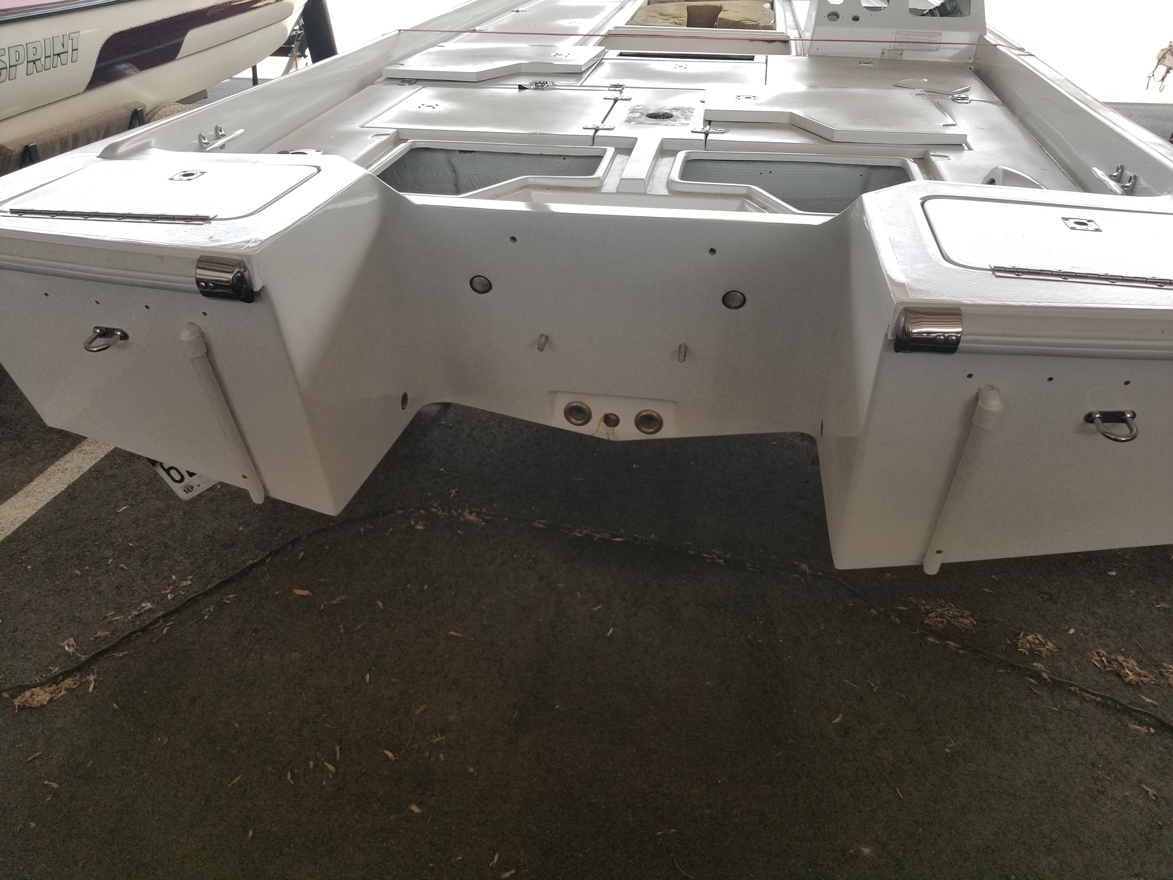
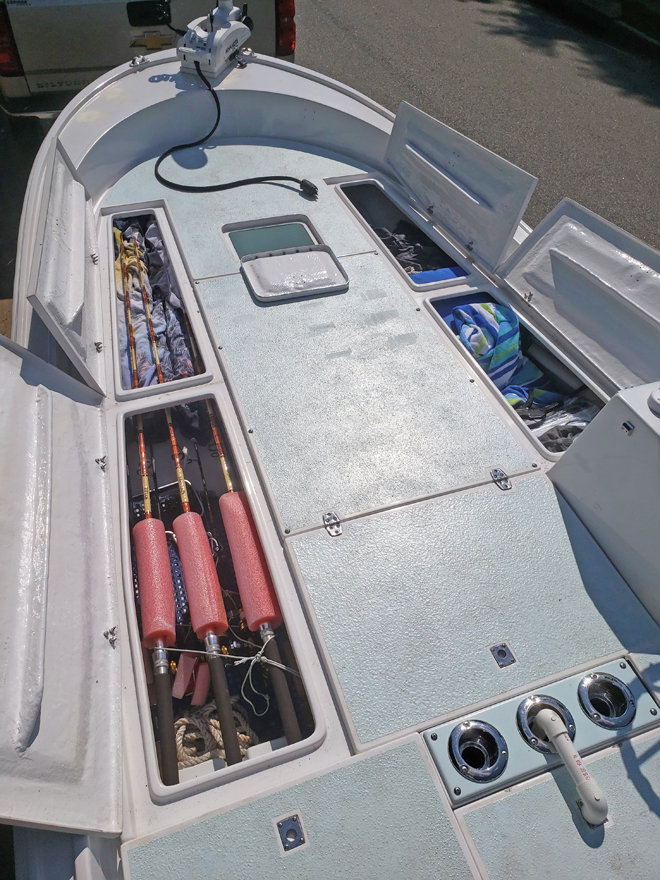
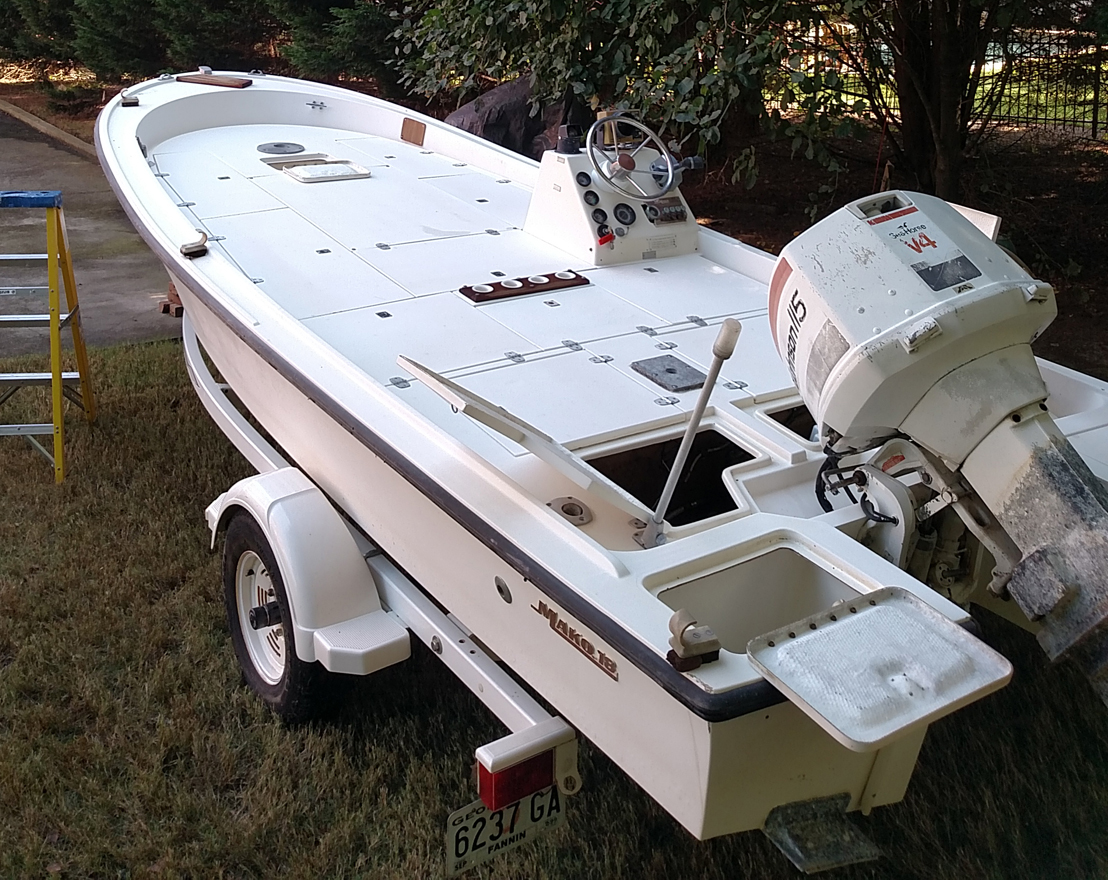
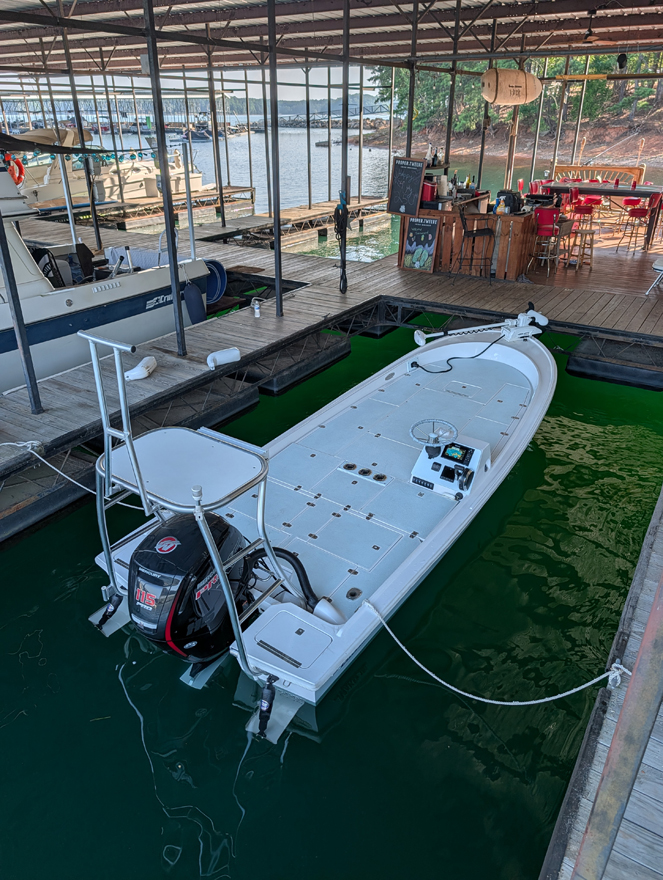
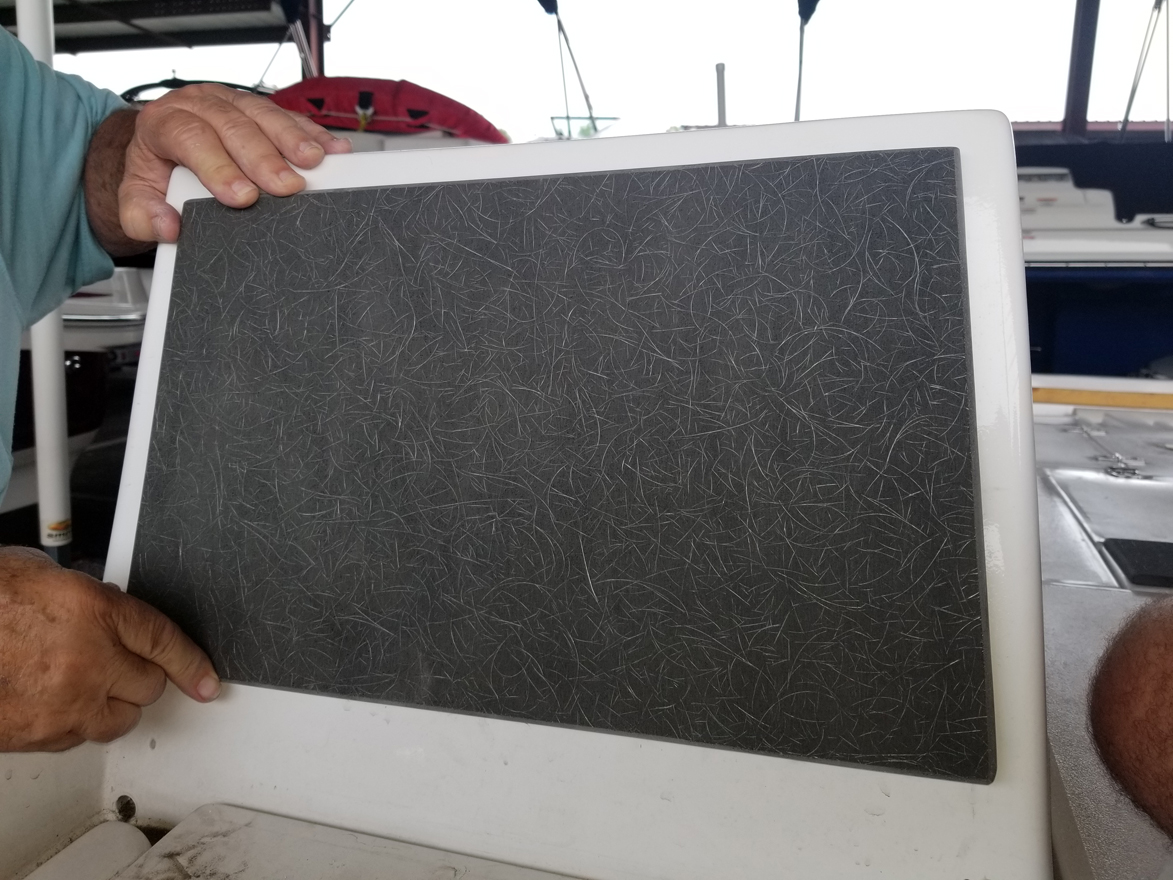
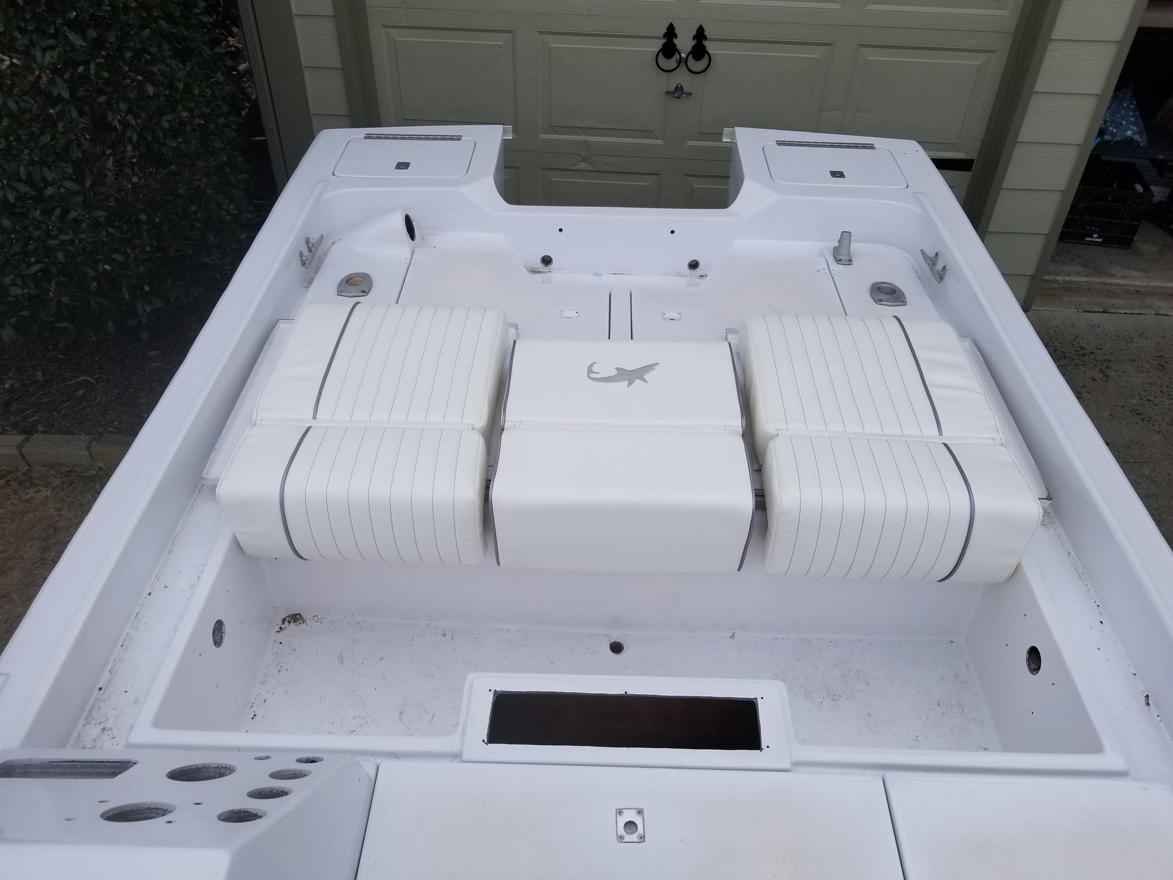
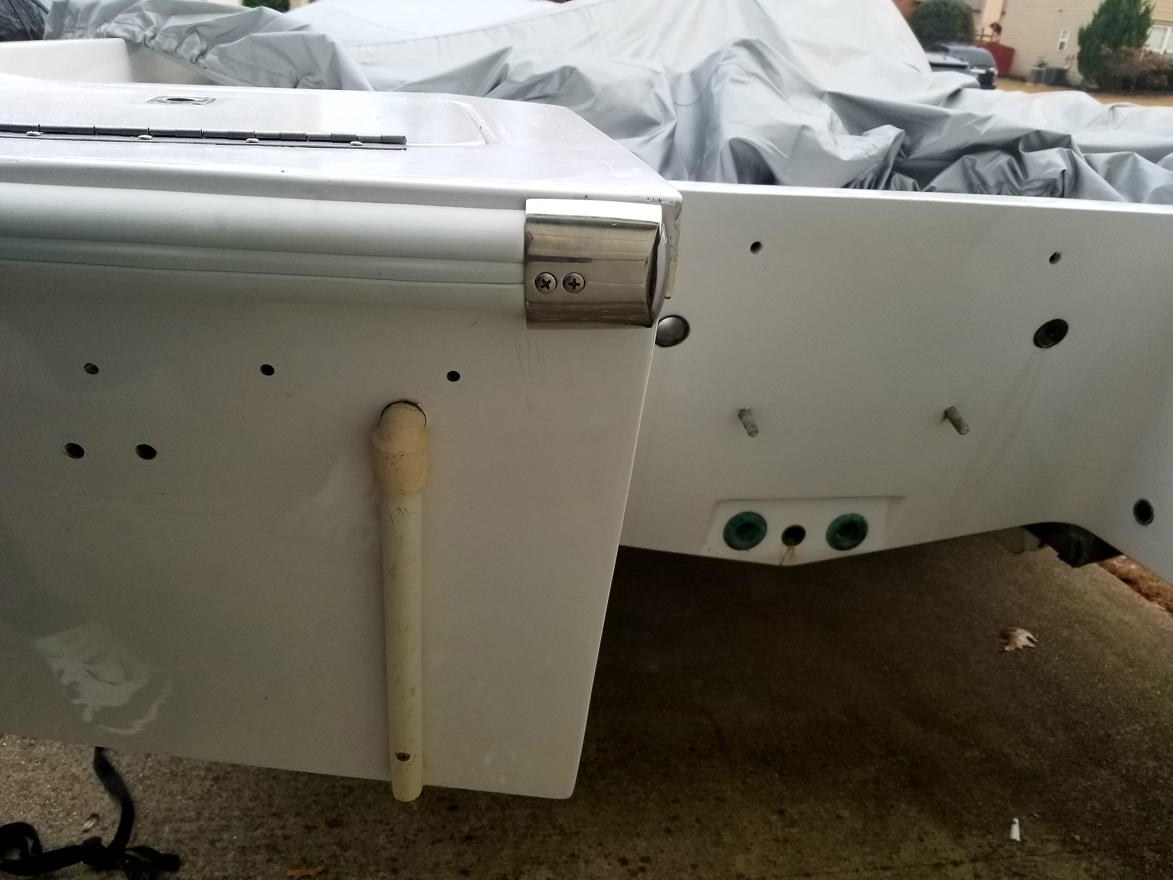
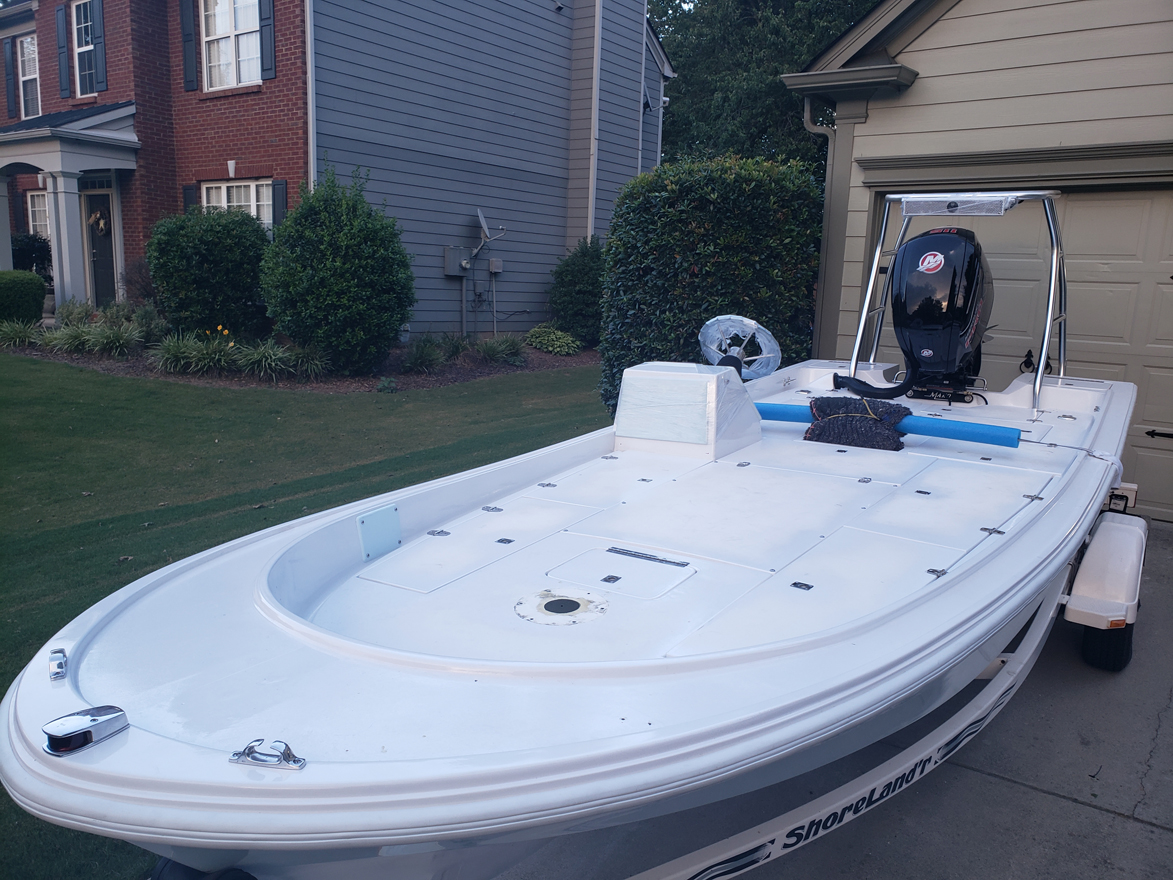
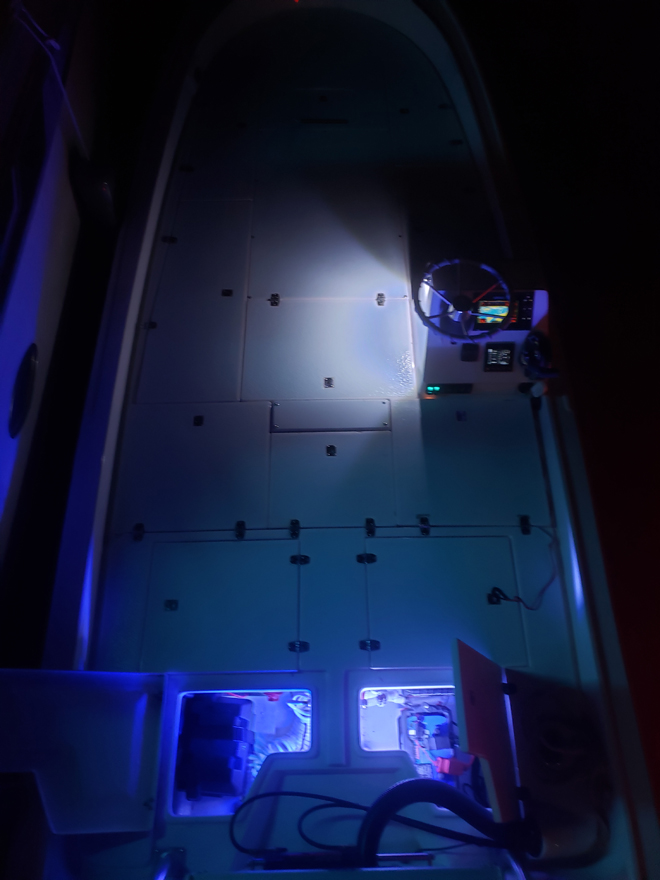
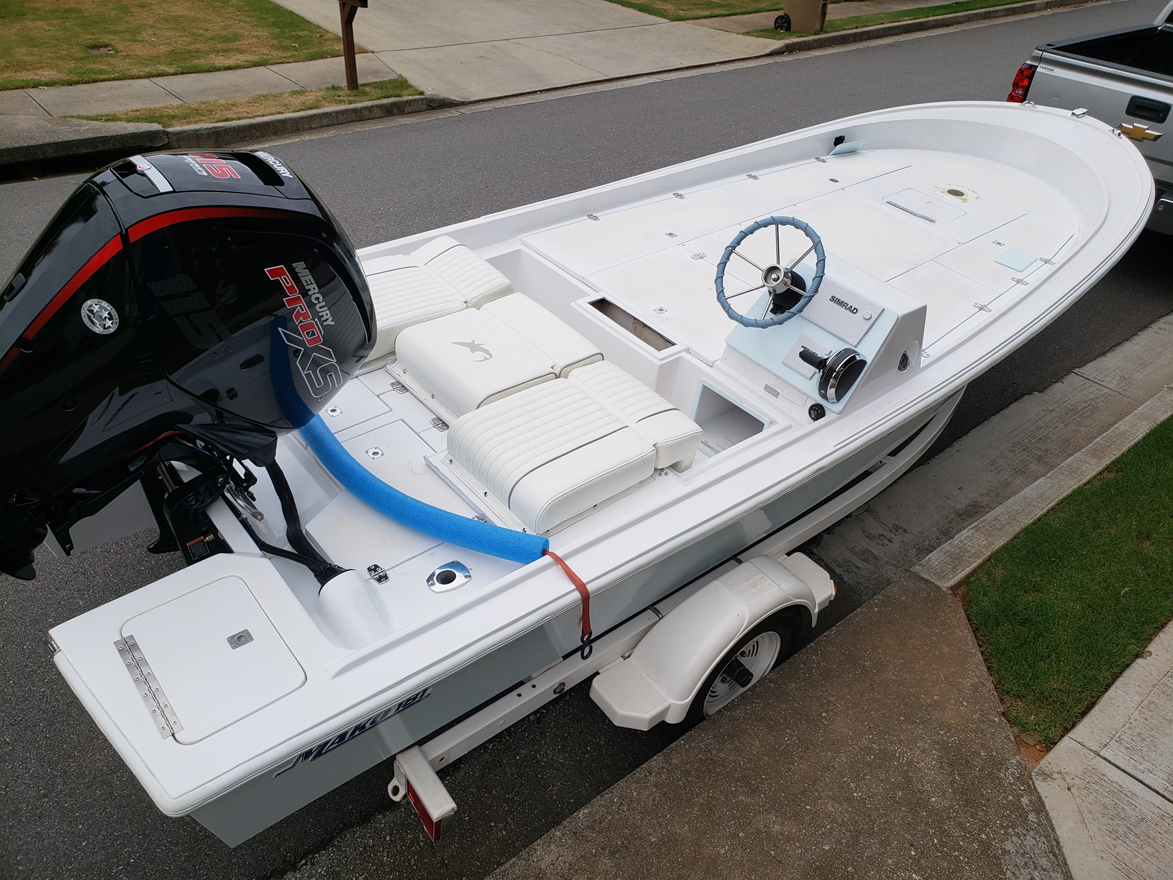
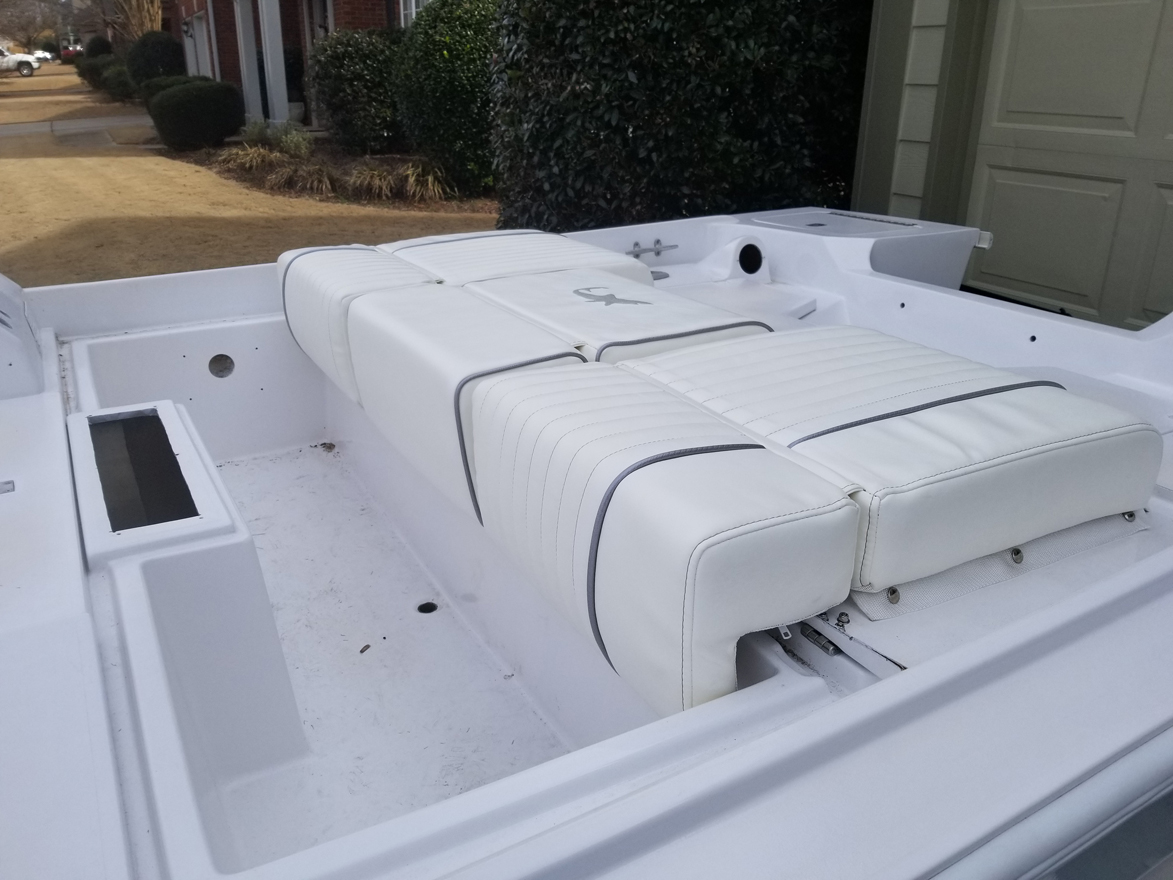
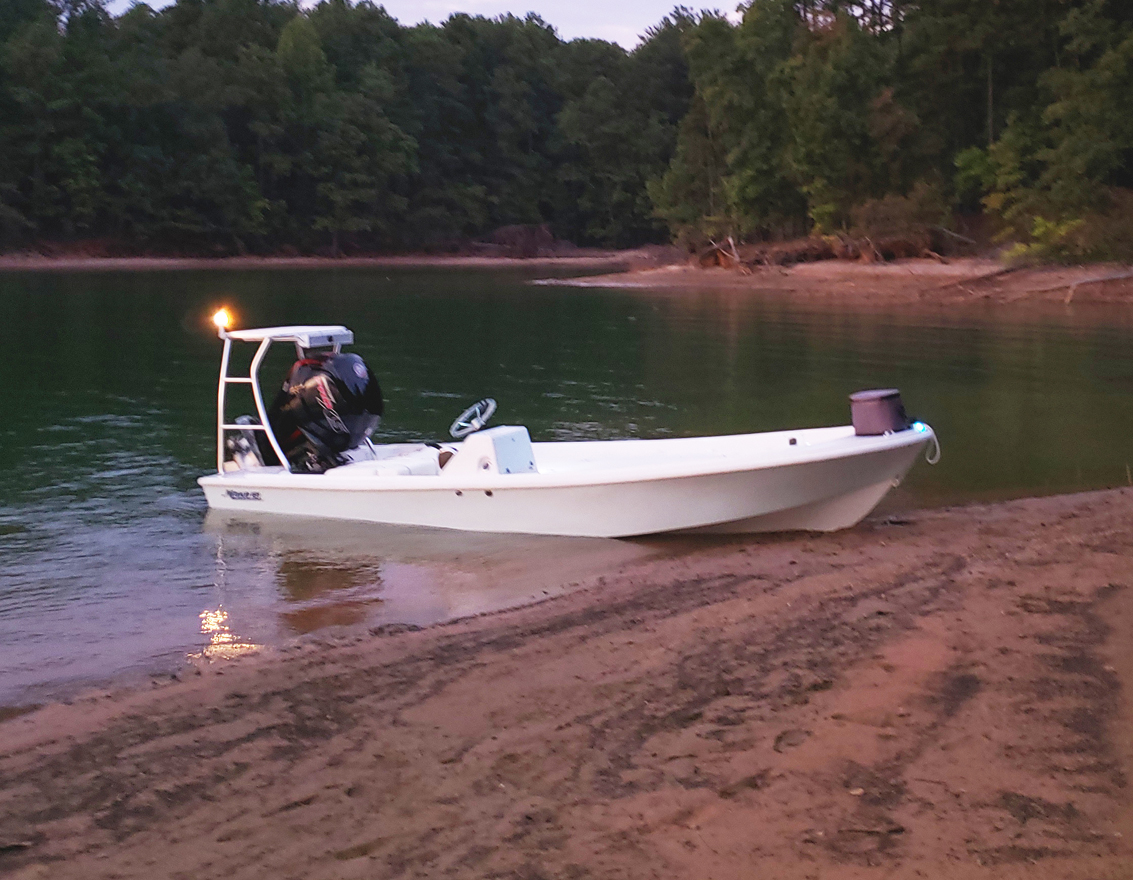
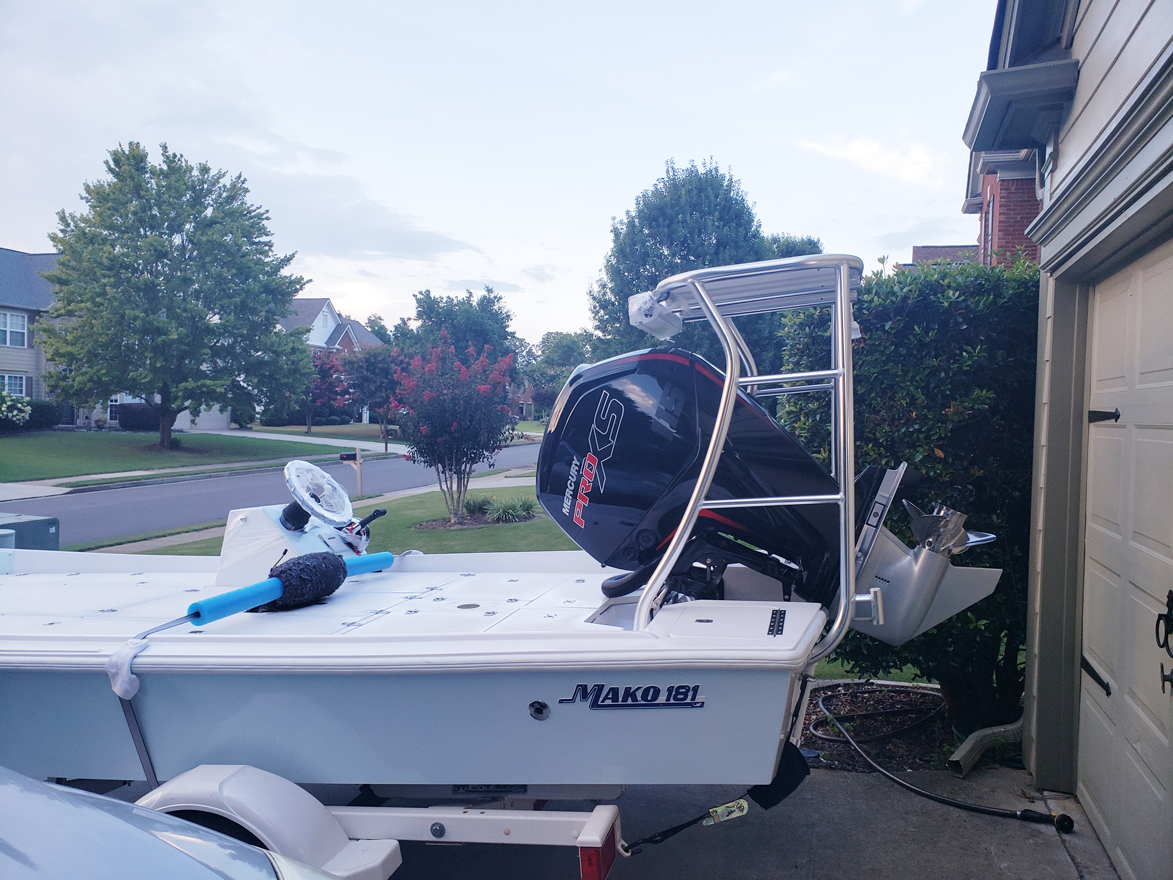
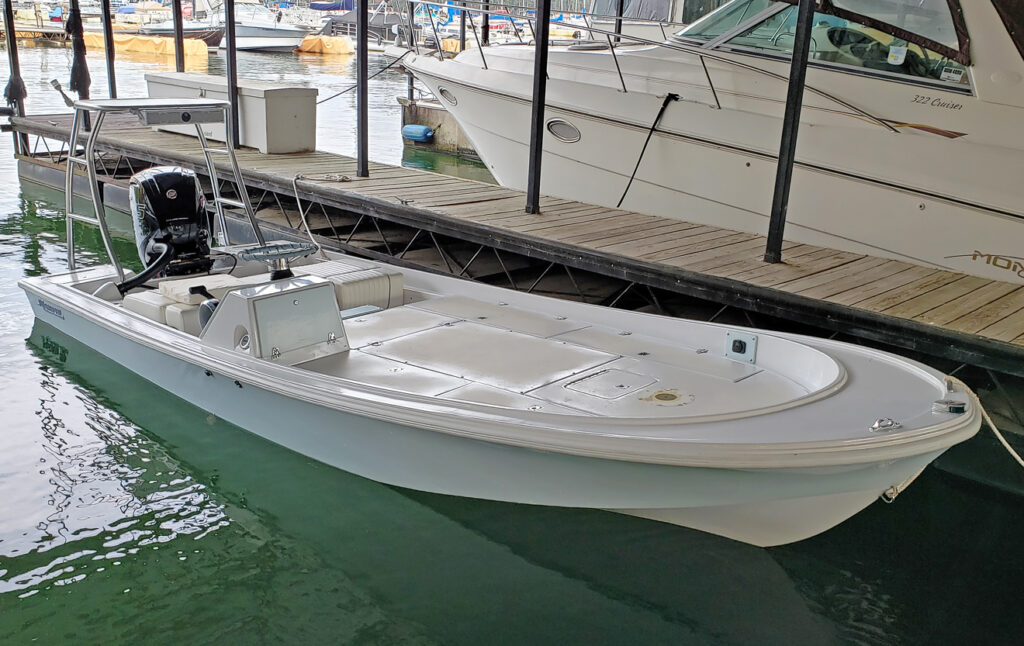
At the center of this story is a specific Mako shallow-water fishing boat – the 1979 Backcountry model that stands apart from the rest of the lineup. This boat was built on a 17-foot Mako hull and extended to 18 feet through the addition of dual rear transom boxes. Each extension functions as a self-bailing, self-feeding livewell, a design that combined efficiency with fishability in a way rarely seen at the time. The layout is unusually complex, incorporating a total of 17 hatch doors throughout the deck, creating a flat walkaround surface.
Production numbers were limited, with estimates placing total builds at approximately 25 to 30 units. The model was discontinued early in its lifecycle. According to widely accepted accounts, a factory fire destroyed the molds used to produce the hatch and door components, making continued production impractical. Today, very few of these boats remain in serviceable condition. The culture surrounding boats like this shaped my family’s approach. Techniques were learned hands-on, and standards were set by performance, not convenience.
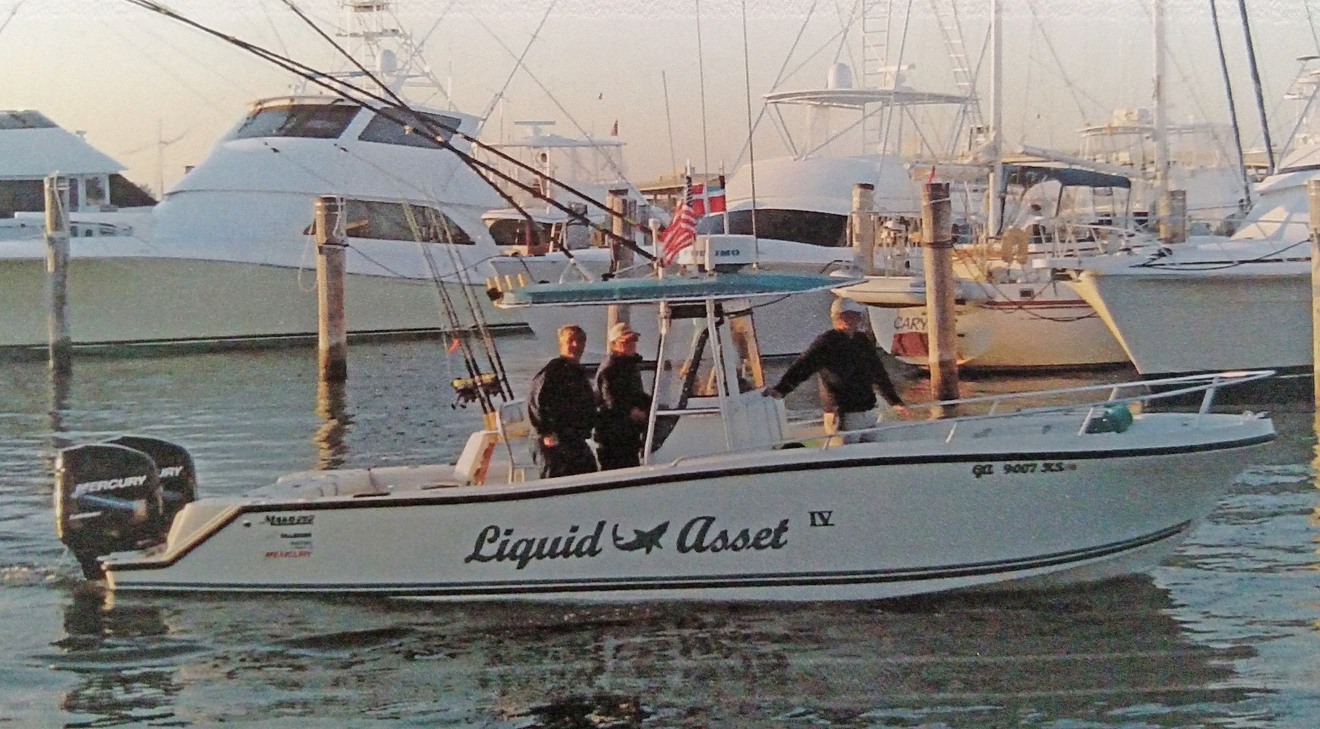
Boat names from that era, and the Mako Funaments run by Bill Munro, VP of Marketing at Mako Marine, included boats like Hawaiian Tropic, Tuppens, Spin-Off, Solid On, Miss Christy, Water Rat, and Liquid Asset. They still carry recognition among those who were part of it. But like many long careers on the water, there was a pause. Dad’s health limited his time offshore. The boats stopped running. The pace changed. Years later, a conversation with my daughter reset the direction. She told me my life sounded like a story, but we weren’t living it anymore. That was the turning point. I set out to find another boat, one that reflected both this family’s history and the standards I was raised on. To restore it to the kind of boat Dad built – one where, when you pulled into a gas station, people would stop and admire it.
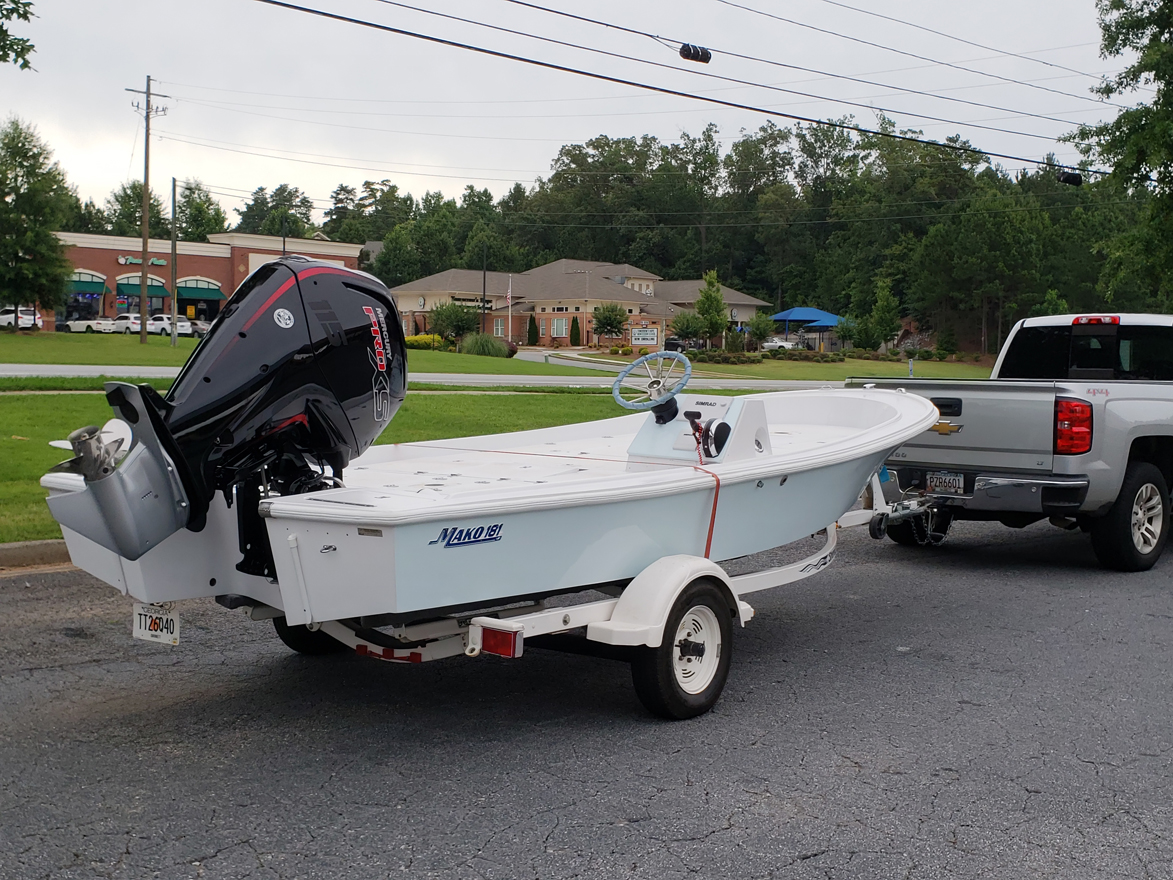
I found one in North Georgia, an 18-foot Mako Backcountry flats boat tucked away in an old barn, dusty, dirty, and nearly forgotten. The boat had previously fished out of Ocean Reef In Key Largo, Florida, and had been cared for by its original owner. When the owner passed, his wife made it clear she wanted the boat to go to someone who understood what it was. We reached an agreement based on that understanding.
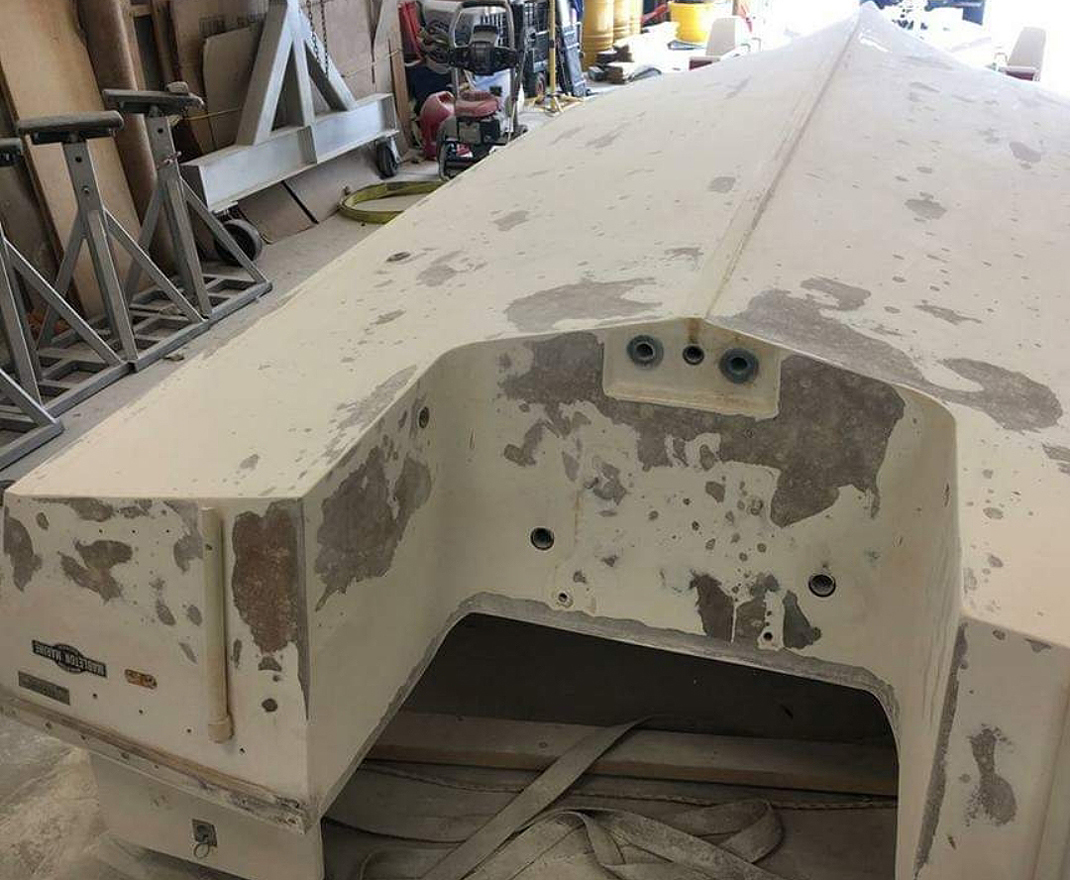
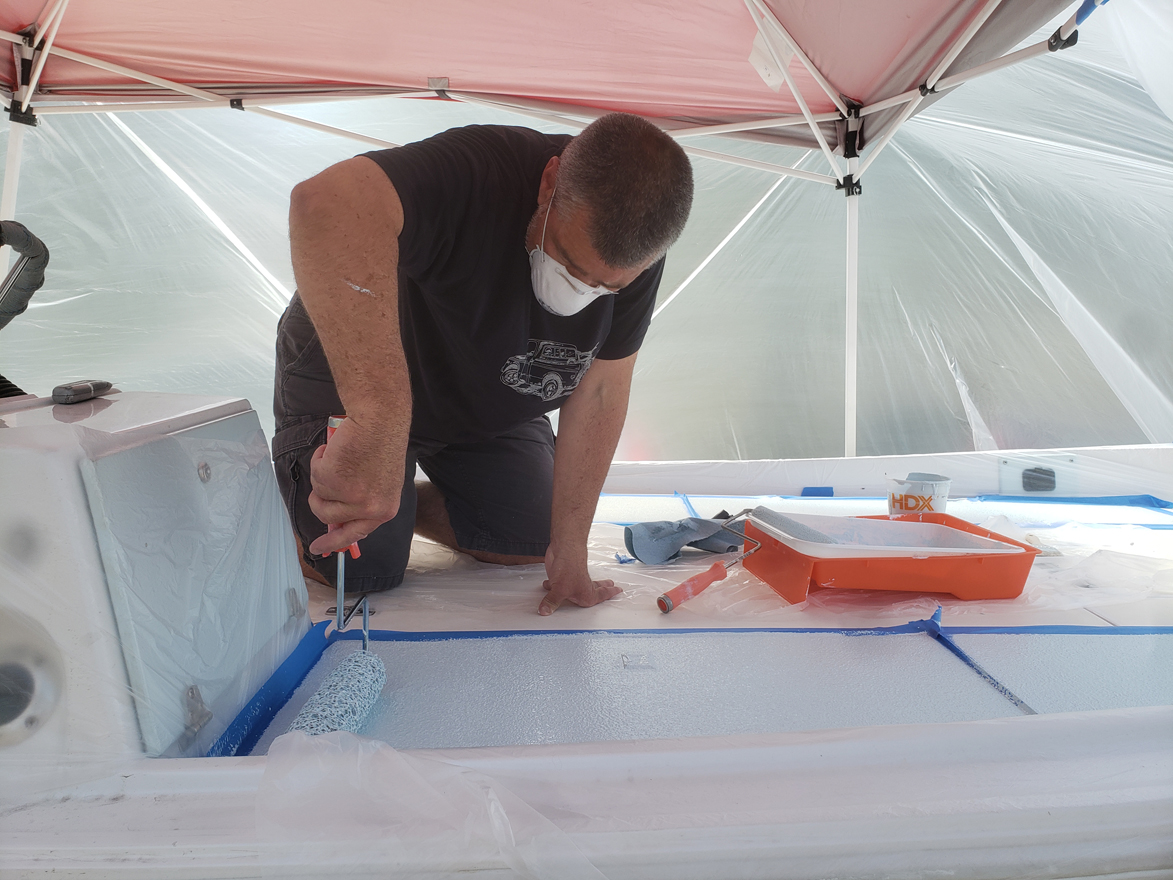
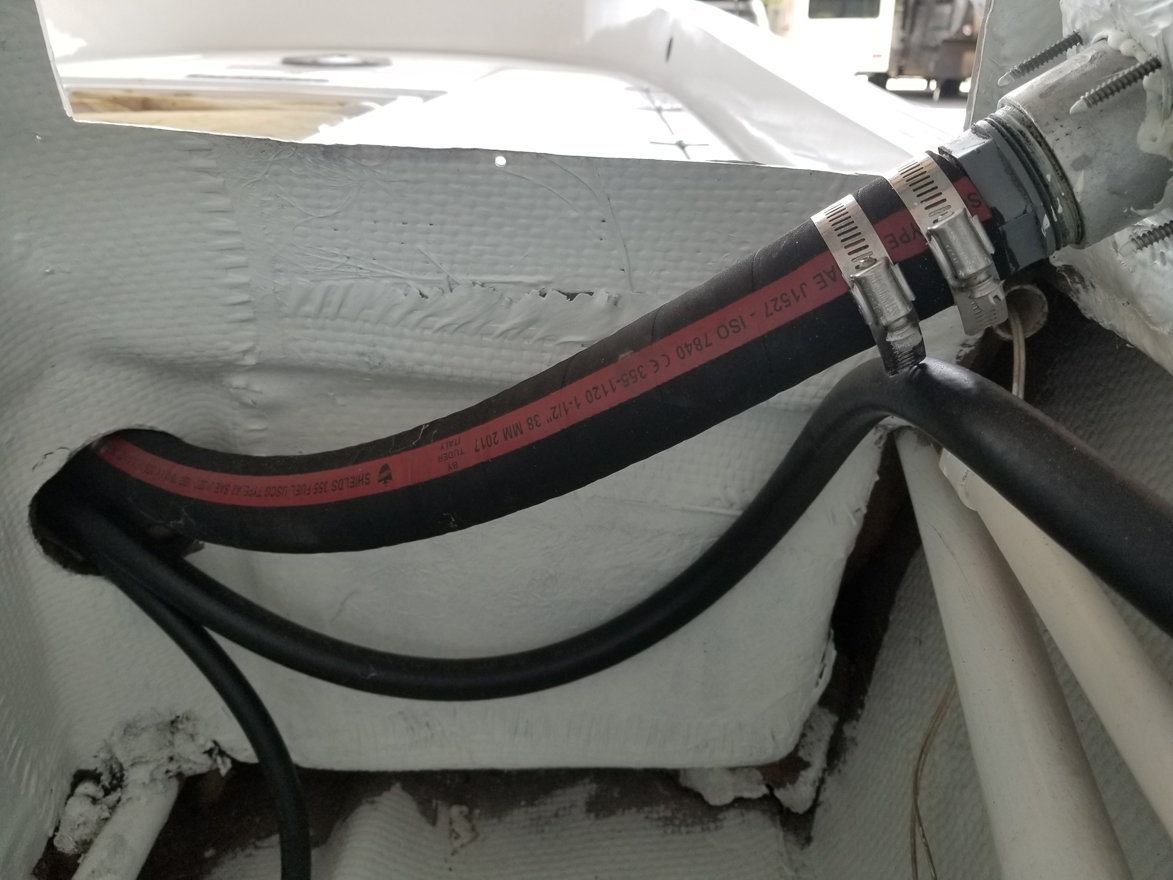
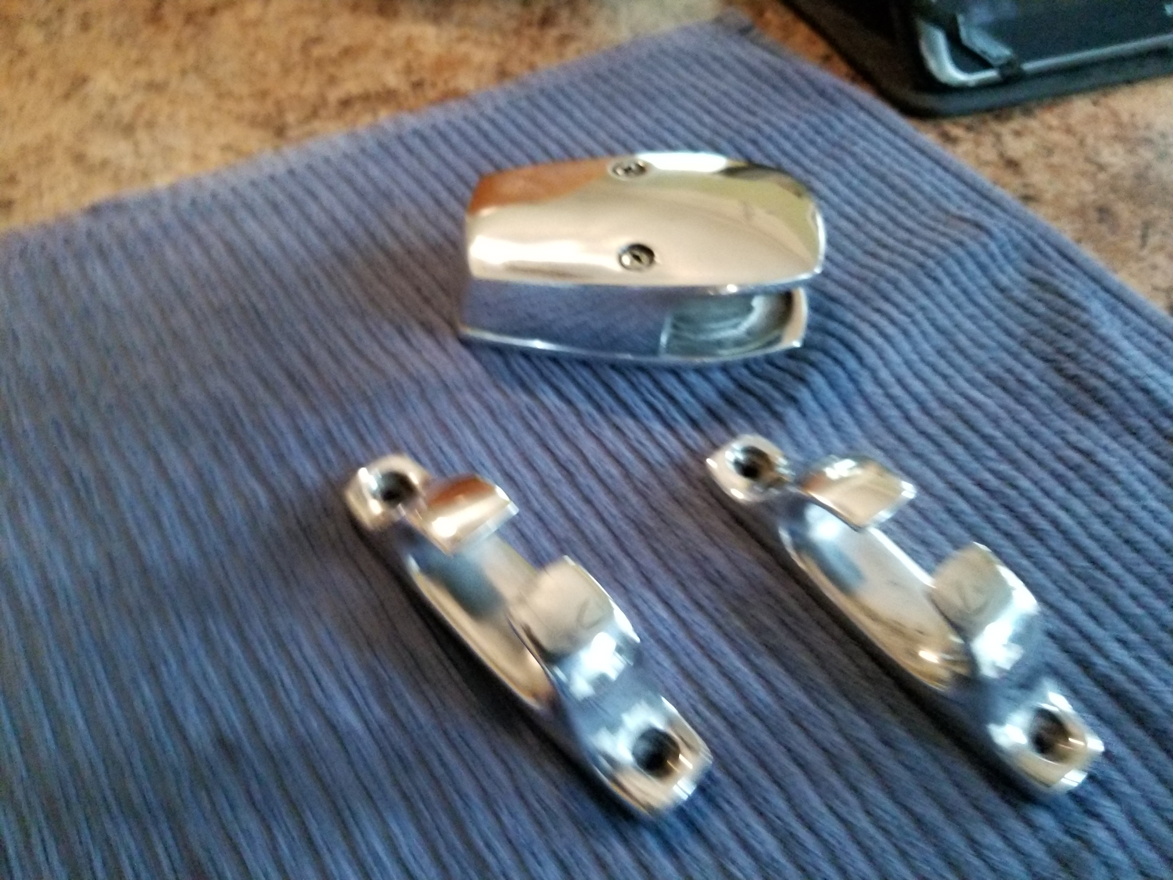
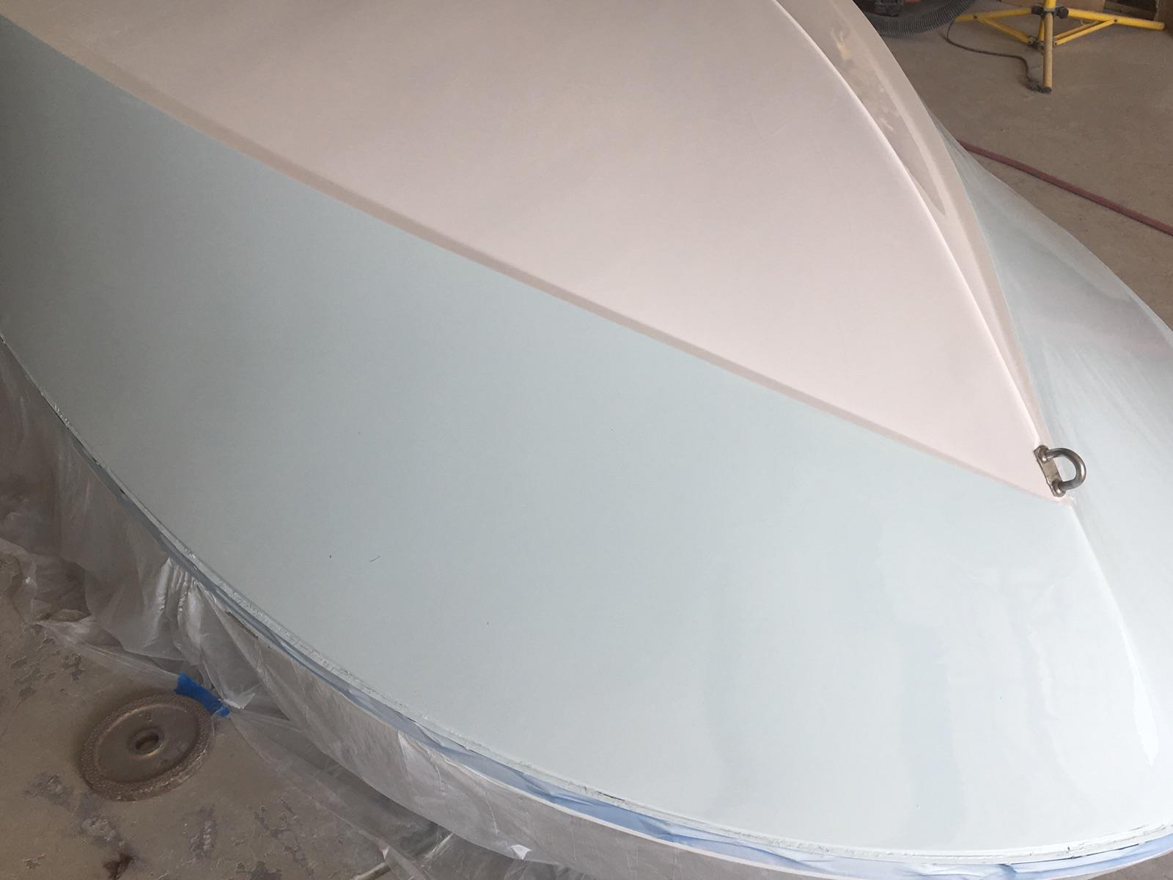
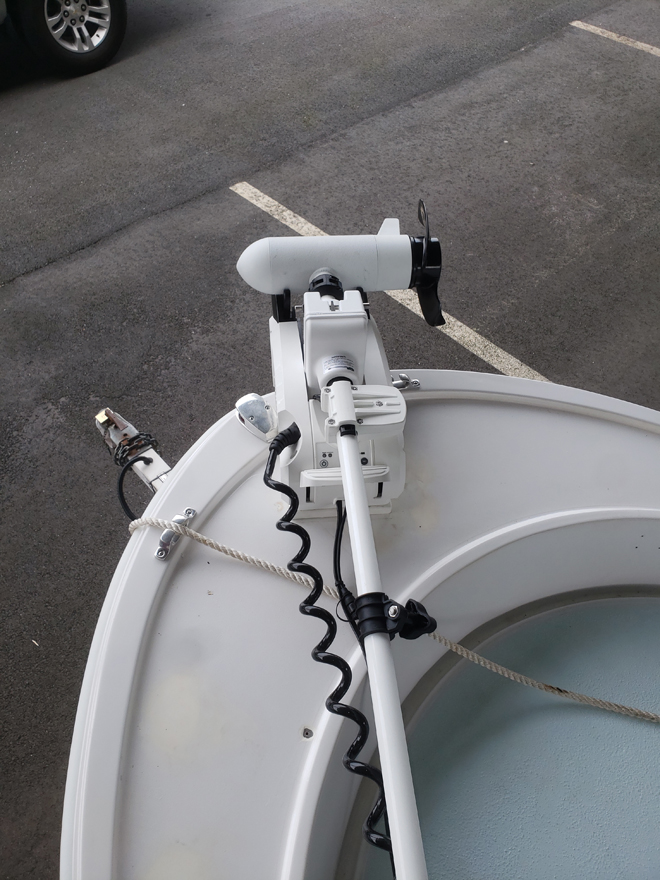
What followed was a full restoration – a project to fulfill a promise to the original owner’s wife and to my daughter by turning the photos in an old photo album into something real. The boat was stripped to its hull. Hardware was removed, evaluated, and either restored or replaced. Original components with historical value were preserved wherever possible. I knew I wasn’t building an average boat, but the goal was clear: build it to the same standard my father set. If I was going to do it, it had to be right. The kind of boat that stands out anywhere. Because in Dad’s words, “It doesn’t matter how you fish – it’s how you look at the dock.”
The rebuild combined traditional methods with modern materials and techniques. I worked with experienced craftsmen, including Eddie Astral, Tony Eden, Aksel Lund, and Jeremy Gamblin, to ensure both structural integrity and a finish that meets today’s high standards.
It’s different from how we used to do everything ourselves, but the expectation didn’t change. That expectation – attention to detail, performance, and presentation – defines the result. More than a restoration, the boat represents continuity. From one generation to the next. From past experience to present execution. And back to the blue water where it belongs.
I appreciate the invitation to share this story and to have this boat included among such a respected group of builds. There’s a lot of history and craftsmanship represented here, and it’s an honor to be part of it.